China Top 10 Low Voltage Switchgear Manufacturers?
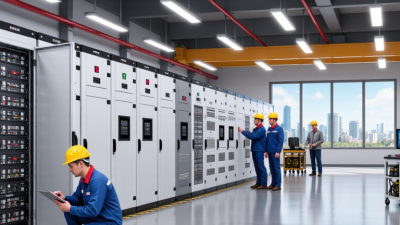
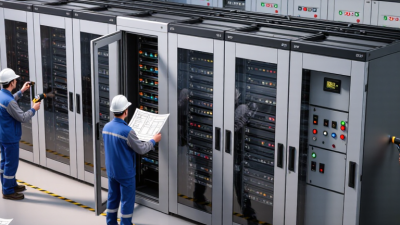
China's low voltage switchgear industry is a mix of large-scale production and some pretty specialized engineering. Honestly, it's a big field. So, I've put together a rundown of ten Chinese manufacturers that are worth checking out if you're involved in industrial, commercial, infrastructure, or renewable energy projects. But keep in mind – I didn't just pick these at random. I looked at things like how consistent their products are, their testing setups, the technical support they offer, whether they have the right certifications, their experience with exports, and how they handle long-term service. That kind of stuff matters, right? So here's the list. Okay, so when we talk about the usual suspects here—like CHINT, TGOOD, Delixi, People Electric, and even Shanghai Liangxin—those big names often come up. They all have a lot of stuff: distribution cabinets, motor control centers, automatic transfer systems, and smart monitoring gear. But honestly, if you're just comparing them by looking at the pretty pictures in their catalogs, you're missing the real story. You've got to dig deeper. Okay, so when you're an engineer, you really can't skip the fine print. I mean, you've got to check that everything's up to IEC 61439, look at how it handles short circuits, go through those temperature-rise test records, make sure the enclosure protection ratings are right, and don't forget to trace those components. And honestly? The details are where it all counts. When you're on the hunt for a reliable Low Voltage Switchgear Series, it's not just about grabbing any off-the-shelf unit. You've got to think about what your project actually needs – the real load profile, the installation environment, how you plan to maintain it, and whether you'll be expanding down the road. For instance, a dusty factory? You'll need something with beefier enclosure protection, no question. But a data center? That's a different story – they're all about selective coordination and clearing faults in a blink. So yeah, it really depends on the situation. Factory acceptance testing? Honestly, it's a lifesaver. It'll catch wiring errors, loose busbar connections, or even protection settings that aren't quite right—all before the equipment ever leaves for shipment. Look, no ranking is set in stone. A supplier that shines in one region might totally flop in another, and honestly, it all depends on what you're buying and how big the project is. I've seen manufacturers with jaw-dropping production capacity, but ask them for a custom tweak and they freeze. Others are super quick with engineering support, yet their international documentation is a mess—like they never bothered to translate or standardize anything. That's a real difference you can't just brush off. So before you sign anything, do yourself a favor and dig into their test reports, reference projects, warranty terms, spare parts policies, and how they handle local service. It might take a bit of extra time, but trust me, it'll save you a ton of headaches down the road. So, this overview here is a decent jumping-off point — but honestly, it's no substitute for having a real pro handle your electrical design and double-check everything.
Read more »