


What Is a Prefabricated Substation? Structure and Advantage
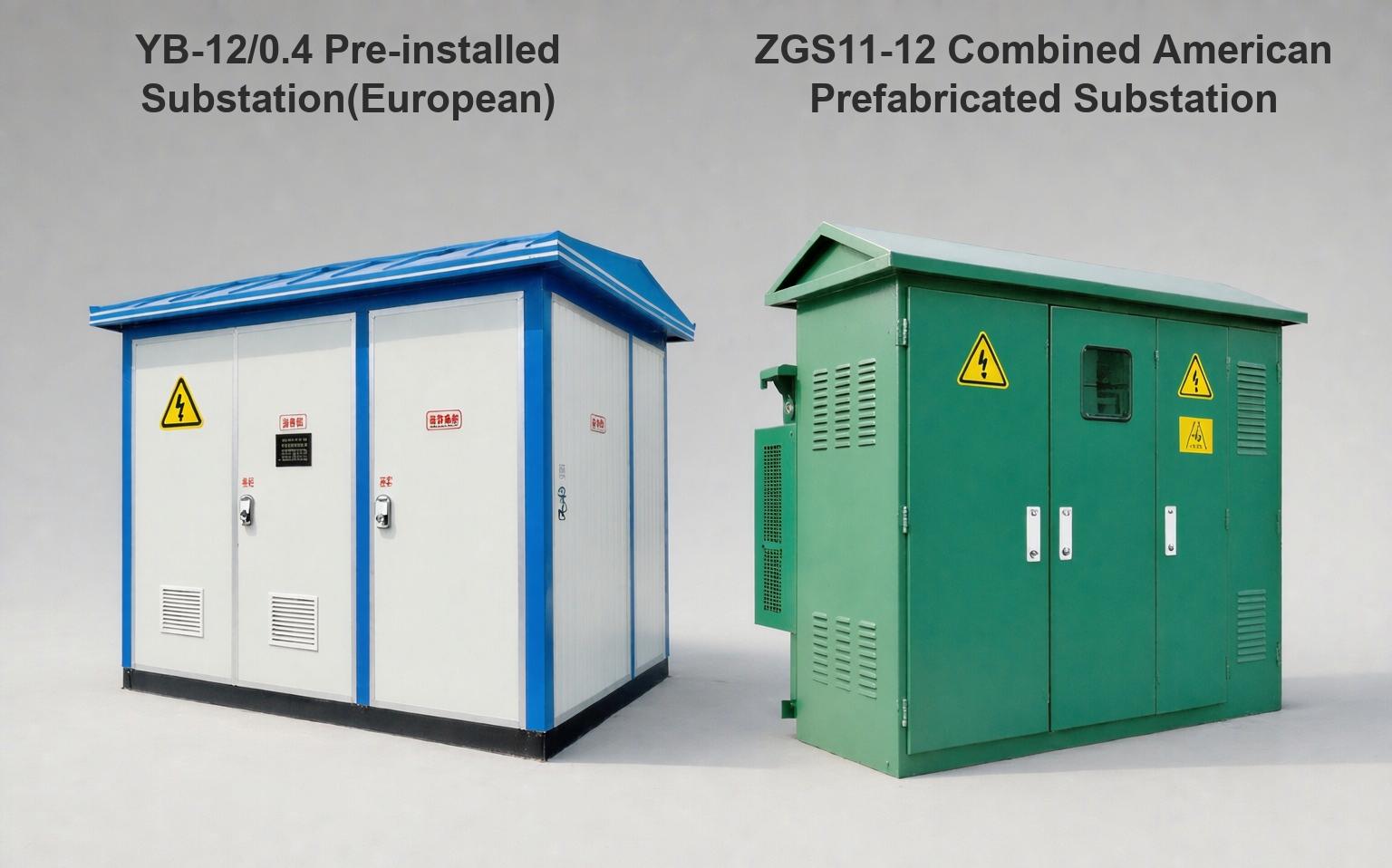
A prefabricated substation is a factory-assembled electrical substation that integrates medium-Voltage Switchgear, transformers, low-voltage distribution equipment, protection systems, and auxiliary components inside a purpose-built enclosure. Instead of constructing every part on site, manufacturers complete much of the assembly, wiring, testing, and inspection in a controlled factory environment before transporting the unit to the installation location.
Also known as a packaged substation, modular substation, or compact substation, this solution is widely used in industrial facilities, commercial buildings, renewable energy projects, data centers, mining operations, infrastructure developments, and utility distribution networks. Its main value is the combination of faster installation, reliable equipment integration, reduced site work, and flexible customization.
For buyers comparing conventional substations with a Packaged Substation, the most important considerations include voltage level, transformer capacity, enclosure design, protection requirements, environmental conditions, access arrangements, and compliance with applicable electrical standards.
What Is a Prefabricated Substation?
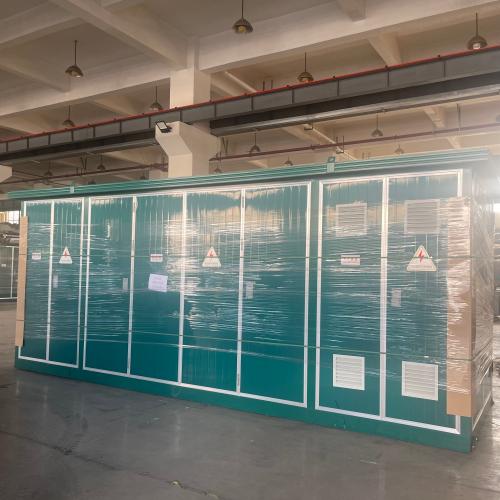
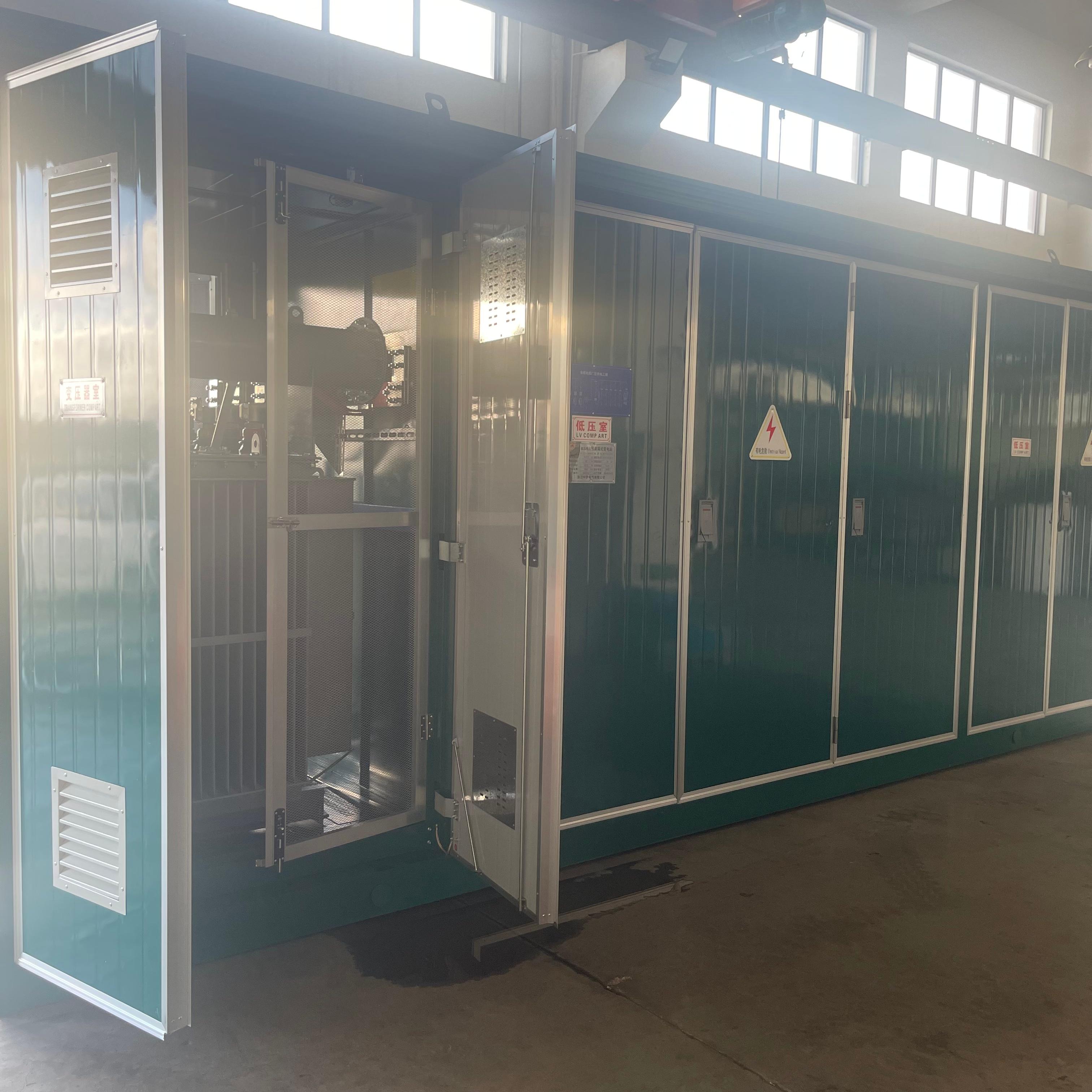
A prefabricated substation is a complete or semi-complete substation system designed and assembled before it reaches the project site. Depending on the project requirements, the factory may install the transformer, medium-voltage equipment, low-voltage switchboard, busbars, cables, relay panels, monitoring devices, fire protection systems, lighting, ventilation, and control equipment within one or more prefabricated compartments.
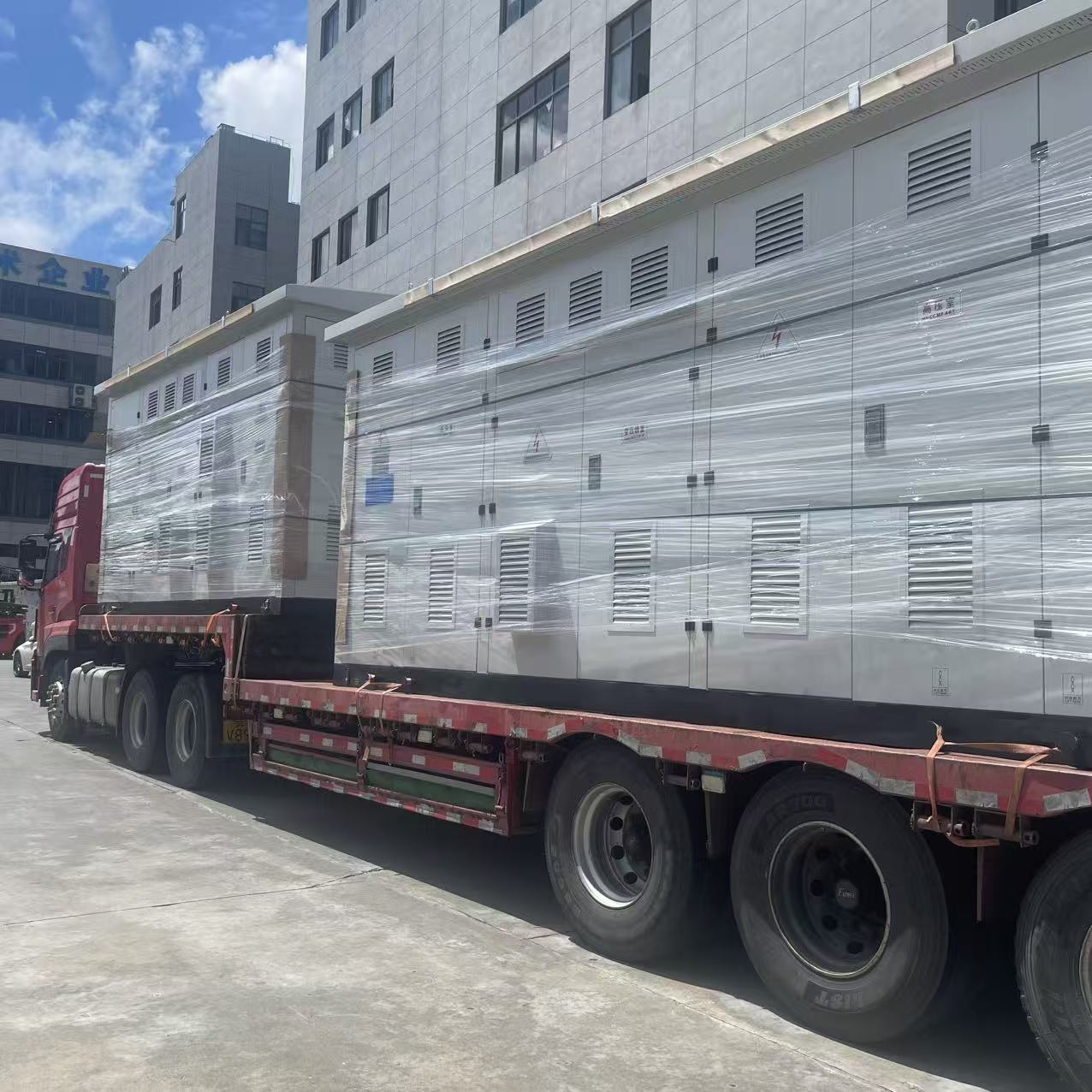
The finished unit is delivered to the site, positioned on a prepared foundation, connected to incoming and outgoing cables, tested, and commissioned. This approach can significantly reduce the amount of civil construction and electrical assembly required on site.
Prefabricated substations are available in many configurations. A small distribution unit may contain a medium-voltage ring main unit and a cast-resin transformer, while a larger industrial unit may include air-insulated or gas-insulated switchgear, an oil-immersed transformer, a low-voltage switchboard, protection relays, and remote-control equipment.
How Does a Prefabricated Substation Work?
The operating principle is similar to that of a traditional substation. Electrical power enters through the medium-voltage incoming feeder and passes through switching and protection equipment. The transformer then reduces the voltage to a lower level suitable for industrial machinery, commercial facilities, residential distribution, or other loads. Low-voltage switchboards distribute the transformed power to outgoing circuits.
Protection relays, circuit breakers, fuses, current transformers, voltage transformers, surge arresters, and monitoring systems work together to detect abnormal conditions. When a fault occurs, the appropriate protective device disconnects the affected circuit to limit equipment damage and improve system safety.
Many modern units also support supervisory control and data acquisition systems, energy meters, temperature monitoring, partial-discharge monitoring, and remote operation. This makes a prefabricated substation suitable for projects that require both dependable power distribution and centralized operational visibility.
Prefabricated Substation Compartment Structure
The internal arrangement of a prefabricated substation depends on the rated voltage, transformer type, power capacity, environmental conditions, and local electrical regulations. However, most designs are divided into functional compartments to improve safety, maintenance access, and equipment separation.
1. Medium-Voltage Switchgear Compartment
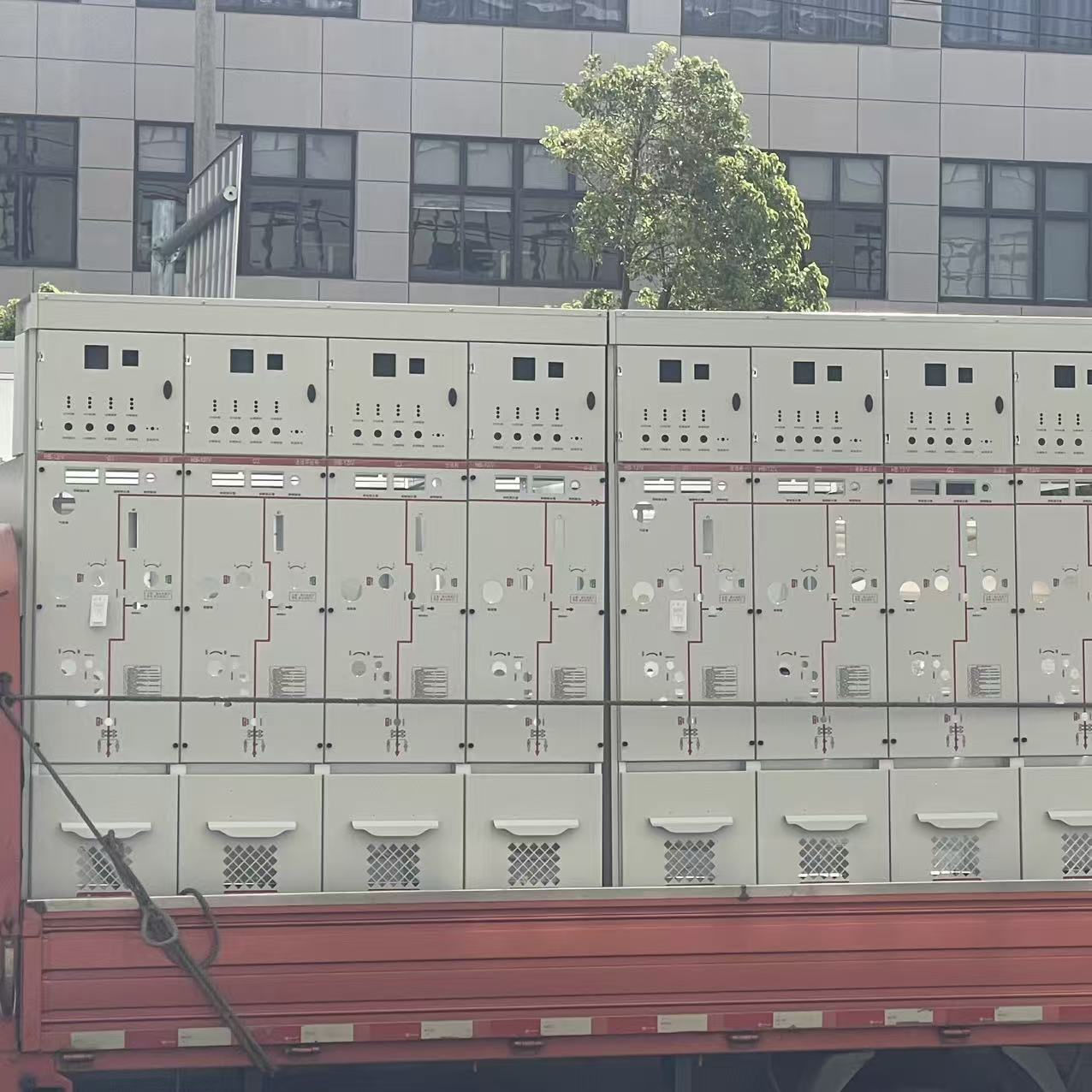
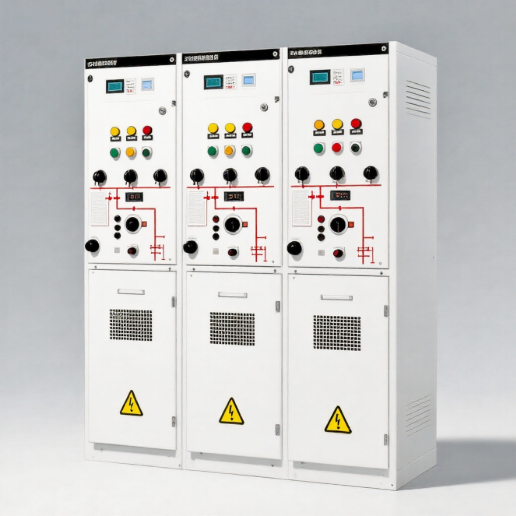
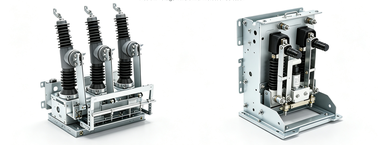
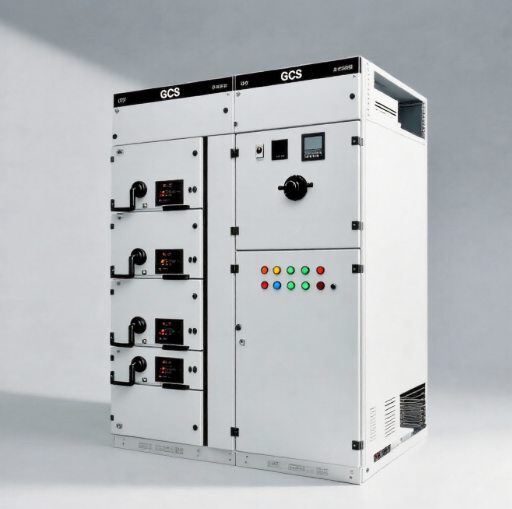
The medium-voltage compartment receives incoming power and controls the connection between the grid and the transformer. It commonly contains load-break switches, circuit breakers, ring main units, busbars, current transformers, voltage transformers, earthing switches, surge arresters, and protection relays.
The selection of substation switchgear affects short-circuit performance, operational flexibility, maintenance requirements, and overall system reliability. Air-insulated switchgear is often selected when accessibility and cost are priorities, while gas-insulated equipment may be preferred where space is limited or environmental protection is especially important.
2. Transformer Compartment
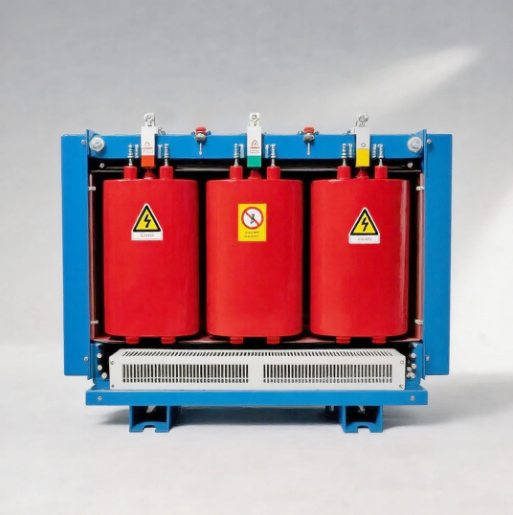
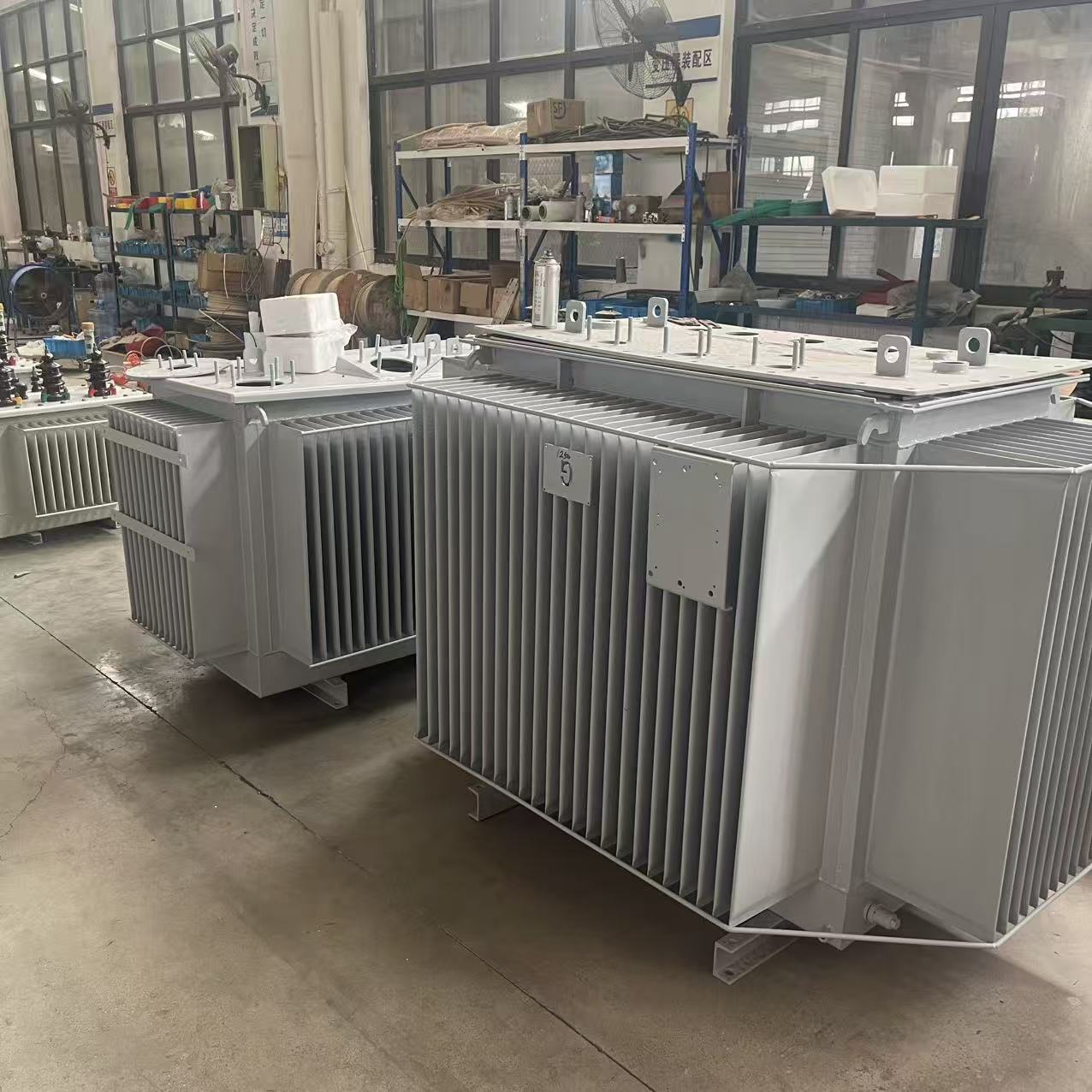
The transformer compartment houses the main power transformer. The transformer may be oil-immersed, dry-type, or cast-resin, depending on the project’s fire-safety requirements, installation environment, efficiency targets, and maintenance strategy.
Oil-immersed transformers are commonly used for higher capacities and outdoor applications because of their strong thermal performance. Dry-type and cast-resin transformers are often selected for indoor installations, commercial buildings, tunnels, data centers, and locations where minimizing fire and oil-containment risks is important.
The transformer compartment may include temperature sensors, cooling equipment, pressure relief devices, oil-level indicators, fire barriers, spill containment, and ventilation openings. Correct ventilation is essential because transformer losses generate heat during operation.
3. Low-Voltage Distribution Compartment
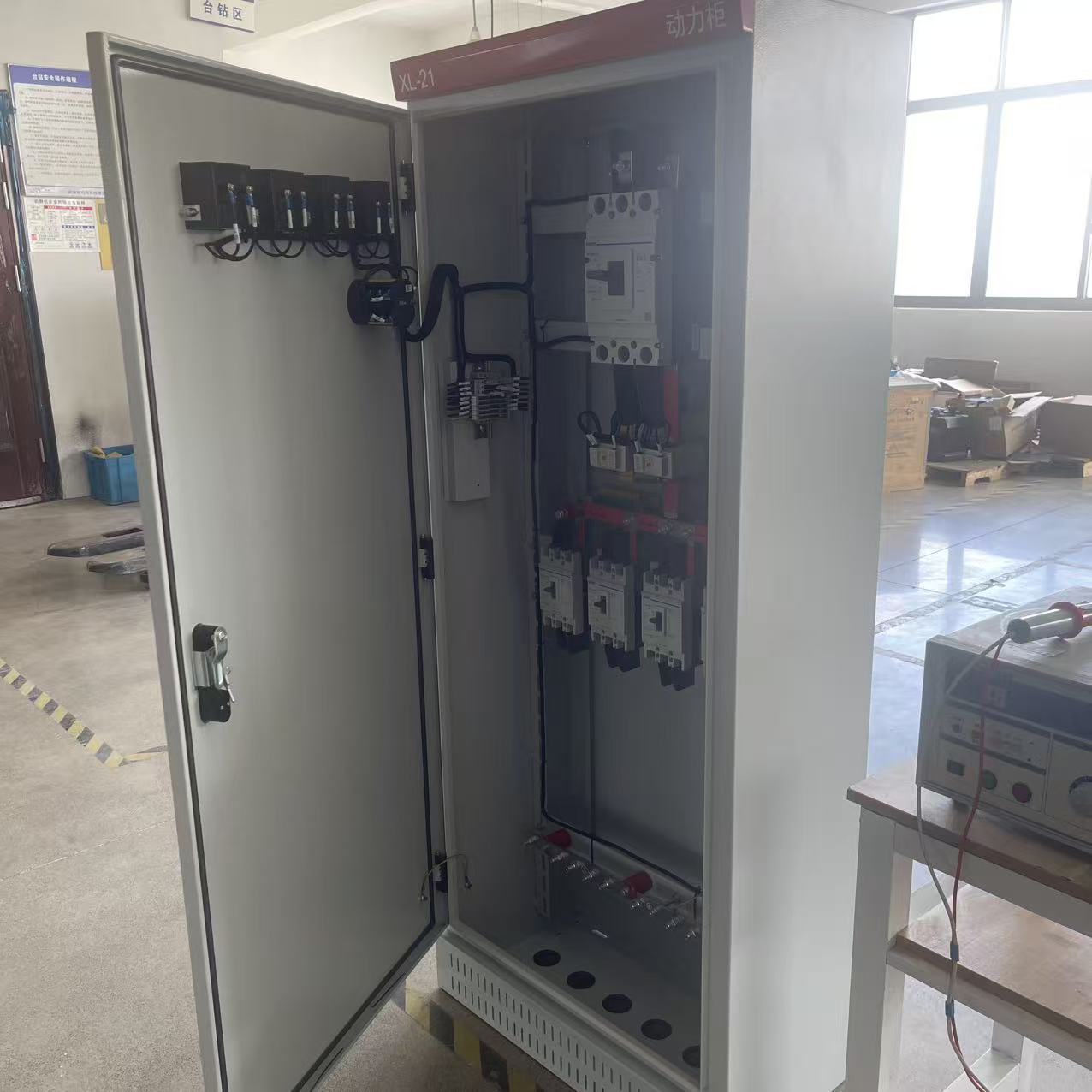
After voltage is reduced by the transformer, power flows into the low-voltage compartment. This section usually contains the main low-voltage circuit breaker, busbars, outgoing feeders, metering equipment, capacitor banks, surge protection devices, and control circuits.
The low-voltage switchboard can be configured with fixed, plug-in, or withdrawable circuit breakers. Withdrawable designs may be useful in industrial plants and critical facilities because they can simplify inspection and replacement procedures while reducing outage time.
4. Control and Protection Compartment
The control and protection section contains relay panels, auxiliary power supplies, communication devices, terminal blocks, meters, annunciators, and automation equipment. It may be integrated into the switchgear lineup or installed in a separate compartment.
Typical protection functions include overcurrent, earth fault, short-circuit, overvoltage, undervoltage, transformer temperature, differential, and reverse-power protection. The correct protection scheme must be coordinated with upstream and downstream devices so that only the faulty section is disconnected whenever possible.
5. Enclosure and Auxiliary Systems
The enclosure protects the equipment from dust, moisture, sunlight, mechanical impact, unauthorized access, and harsh weather. It may be manufactured from painted steel, galvanized steel, stainless steel, concrete, or composite materials.
Depending on the application, auxiliary systems may include forced ventilation, air conditioning, internal lighting, anti-condensation heaters, fire detection, access control, emergency lighting, cable trenches, lifting points, and pressure-relief panels. The enclosure’s ingress protection rating should be selected according to the installation environment rather than based solely on standard product configurations.
Common Types of Prefabricated Substations
Compact Distribution Substation
A compact distribution substation generally combines medium-voltage switchgear, a transformer, and a low-voltage panel in a small footprint. It is often used in urban distribution, residential developments, commercial buildings, and light industrial facilities.
Containerized Substation
A containerized substation is installed inside a transportable steel container or modular enclosure. It is suitable for temporary power, mining, construction projects, oil and gas facilities, renewable energy plants, and remote locations. Containerized designs are also useful when a project may need to be relocated or expanded later.
Unit Substation
A unit substation typically consists of a transformer connected directly to medium-voltage and low-voltage switchgear. It is frequently used in factories, warehouses, large commercial buildings, and process plants where power must be distributed close to the main loads.
Renewable Energy Substation
Solar farms, wind farms, and battery energy storage systems often use prefabricated substations to collect power, increase the voltage, and connect the facility to the utility network. These units may include collector switchgear, step-up transformers, revenue metering, protection systems, harmonic monitoring, and grid-connection controls.
Advantages of Prefabricated Substation
Faster Project Installation
Because major components are assembled and wired in the factory, installation at the project site can be completed more quickly than with a fully site-built substation. Civil work can proceed in parallel with factory production, helping reduce the overall project schedule.
Improved Factory Quality Control
Factory assembly allows technicians to work in a controlled environment with consistent tools, procedures, and inspection records. Wiring, mechanical connections, interlocks, busbar installation, and functional performance can be checked before shipment.
Factory acceptance testing may include insulation resistance testing, dielectric tests, mechanical operation checks, secondary injection testing, control verification, transformer testing, and protection relay configuration checks. The exact test program should be agreed upon during technical clarification.
Reduced On-Site Labor and Civil Work
A prefabricated design reduces the need for extensive on-site electrical assembly, equipment alignment, enclosure construction, and control wiring. This is particularly valuable in remote areas, regions with limited skilled labor, or projects where site access is difficult.
Compact Footprint
Manufacturers can optimize the internal layout to make effective use of the available space. This is helpful for urban sites, factories with limited expansion areas, offshore installations, data centers, and renewable energy projects where land costs and equipment density are important considerations.
Better Equipment Integration
When the transformer, switchgear, protection system, and auxiliary equipment are engineered as one package, the interfaces between individual components are easier to control. This can reduce installation errors involving cable termination, interlocking, control signals, and protection coordination.
Flexible Customization
Prefabricated substations are not limited to one standard layout. The enclosure dimensions, cable entry direction, transformer capacity, switchgear arrangement, protection functions, cooling method, communication protocol, and maintenance access can be adapted to project requirements.
Enhanced Safety
Separate compartments, internal barriers, earthing systems, mechanical interlocks, warning labels, and controlled access help reduce the risk of accidental contact with energized equipment. For indoor or public-facing installations, additional fire protection and acoustic treatment can be incorporated into the design.
Lower Total Installation Cost
The purchase price is only one part of the substation budget. Transportation, civil construction, site labor, testing, commissioning, and project delays can have a major impact on total cost. Prefabrication can reduce these indirect expenses, although the final result depends on the design complexity, transport distance, local requirements, and site conditions.
Prefabricated Substation vs. Traditional Substation
| Comparison Factor | Prefabricated Substation | Traditional Site-Built Substation |
|---|---|---|
| Assembly location | Mostly completed in a factory | Primarily assembled at the project site |
| Installation time | Generally shorter | Usually longer |
| Site labor | Lower requirement | Higher requirement |
| Layout flexibility | Modular and configurable | Highly flexible but often more construction-intensive |
| Quality control | Factory inspection and testing are easier to standardize | More dependent on site conditions and installation teams |
| Expansion | Can be designed with modular expansion in mind | May require additional civil construction |
A prefabricated substation is often the better choice when schedule, footprint, transportability, and predictable installation are important. A traditional substation may be more appropriate for very large facilities, unusual site layouts, complex outdoor bus arrangements, or projects that require extensive future expansion.
How to Select the Right Prefabricated Substation
Before requesting a quotation, prepare a clear technical specification. The following information will help manufacturers develop an accurate and safe design:
- Incoming and outgoing voltage levels
- Transformer rated power and impedance
- System frequency and earthing arrangement
- Short-circuit withstand current and fault duration
- Number and type of incoming and outgoing feeders
- Indoor or outdoor installation requirements
- Altitude, ambient temperature, humidity, wind, dust, and corrosive conditions
- Cable entry and exit directions
- Required protection, metering, automation, and communication functions
- Applicable IEC, IEEE, utility, and local electrical standards
- Transport restrictions, lifting method, and foundation dimensions
- Maintenance access and future expansion requirements
It is also important to confirm whether the supplier provides design drawings, protection settings, factory test reports, installation instructions, commissioning support, spare parts, and after-sales service. These documents can be as important as the equipment itself when the substation will operate in a critical facility.
Relevant Standards and Testing
The applicable standards depend on the equipment and the destination market. Common references may include IEC 62271 for high-voltage switchgear and controlgear, IEC 60076 for power transformers, IEC 61439 for low-voltage switchgear and controlgear assemblies, and IEEE standards where required by the project or utility.
Standards should be confirmed during the engineering stage because local grid operators may impose additional requirements for type tests, routine tests, protection settings, metering accuracy, enclosure ratings, fire separation, or electromagnetic compatibility.
A well-managed project normally includes design review, drawing approval, routine factory testing, shipping inspection, site installation checks, pre-commissioning tests, protection relay testing, cable testing, transformer testing, functional checks, and final energization procedures.
Maintenance Requirements
Although a prefabricated substation reduces installation work, it still requires a planned maintenance program. Operators should inspect the enclosure, ventilation, cable terminations, earthing connections, transformer temperature, signs of overheating, condensation, corrosion, and abnormal noise or odor.
Switchgear should be operated and maintained according to the manufacturer’s instructions. Circuit breaker mechanisms, interlocks, protection relays, meters, battery systems, and communication equipment should be tested at appropriate intervals. Thermal imaging can help identify loose connections or overloaded components before they develop into failures.
The maintenance interval depends on the equipment type, operating environment, switching frequency, load profile, and manufacturer recommendations. Dusty, humid, salty, or chemically aggressive environments generally require more frequent inspection.
Frequently Asked Questions
What is the difference between a prefabricated substation and a packaged substation?
In most commercial applications, the terms refer to similar solutions. Both describe a substation that is manufactured or assembled as a coordinated package before delivery. However, “prefabricated” emphasizes the factory construction method, while “packaged” often emphasizes the integration of several electrical components into one transportable system.
What is voltage switchgear?
Voltage switchgear is equipment used to control, protect, isolate, and distribute electrical circuits at a specific voltage level. It can include circuit breakers, disconnectors, load-break switches, fuses, earthing switches, busbars, relays, current transformers, and voltage transformers. Depending on the application, switchgear may be classified as low-voltage, medium-voltage, or high-voltage equipment.
Can a prefabricated substation use medium-voltage switchgear?
Yes. Medium-voltage switchgear is one of the most common components in a prefabricated substation. The correct configuration depends on the system voltage, rated current, short-circuit level, number of feeders, operating method, and required protection functions.
Is a prefabricated substation suitable for outdoor use?
Yes, provided that the enclosure, ventilation, insulation, corrosion protection, drainage, and ingress protection are designed for outdoor conditions. The manufacturer should also consider solar radiation, rain, snow, wind, dust, salt spray, temperature variation, and the installation altitude.
How long does it take to install a prefabricated substation?
The installation period varies with the unit size, foundation readiness, cable work, testing requirements, and transportation conditions. A small compact unit may be installed in a short period once the foundation and cables are ready. Larger systems may require multiple deliveries, crane operations, field assembly, and detailed commissioning.
Can the substation be customized for a renewable energy project?
Yes. Solar, wind, and battery storage projects often require customized transformer ratings, collector switchgear, grid protection, metering, communication interfaces, harmonic monitoring, and remote-control functions. The substation should be designed according to the utility interconnection study and the requirements of the power conversion equipment.
What information should be included in a request for quotation?
At a minimum, include the voltage levels, transformer capacity, frequency, short-circuit rating, feeder arrangement, installation location, environmental conditions, cable entry requirements, protection scheme, applicable standards, communication requirements, and delivery location. A single-line diagram and site layout are especially helpful for accurate technical and commercial evaluation.
Conclusion
A prefabricated substation is a practical, integrated solution for transforming and distributing electrical power with less site construction and faster project execution. Its compartment structure separates medium-voltage equipment, the transformer, low-voltage distribution, control systems, and auxiliary services, allowing the complete system to be engineered for safety, reliability, maintainability, and efficient use of space. By selecting suitable substation switchgear, transformer technology, enclosure protection, and monitoring functions, project owners can achieve a dependable power system that meets both operational and regulatory requirements.