




Smooth Shipment of Prefabricated Substation Orders: A Practical Guide for Buyers
For utility companies, industrial plants, renewable energy developers, and EPC contractors, receiving a prefabricated substation on schedule is not simply a logistics milestone—it is often the key step that keeps an entire project moving forward. Delays in manufacturing, documentation, transport permits, customs clearance, or on-site installation can affect grid connection dates, construction costs, and commercial operations.
A smooth shipment process begins long before the equipment leaves the factory. It requires accurate technical confirmation, reliable production planning, export-ready packaging, coordinated transportation, and clear communication between the supplier, freight forwarder, and project team. This guide explains how buyers can reduce risk and achieve dependable delivery for a prefabricated substation order.
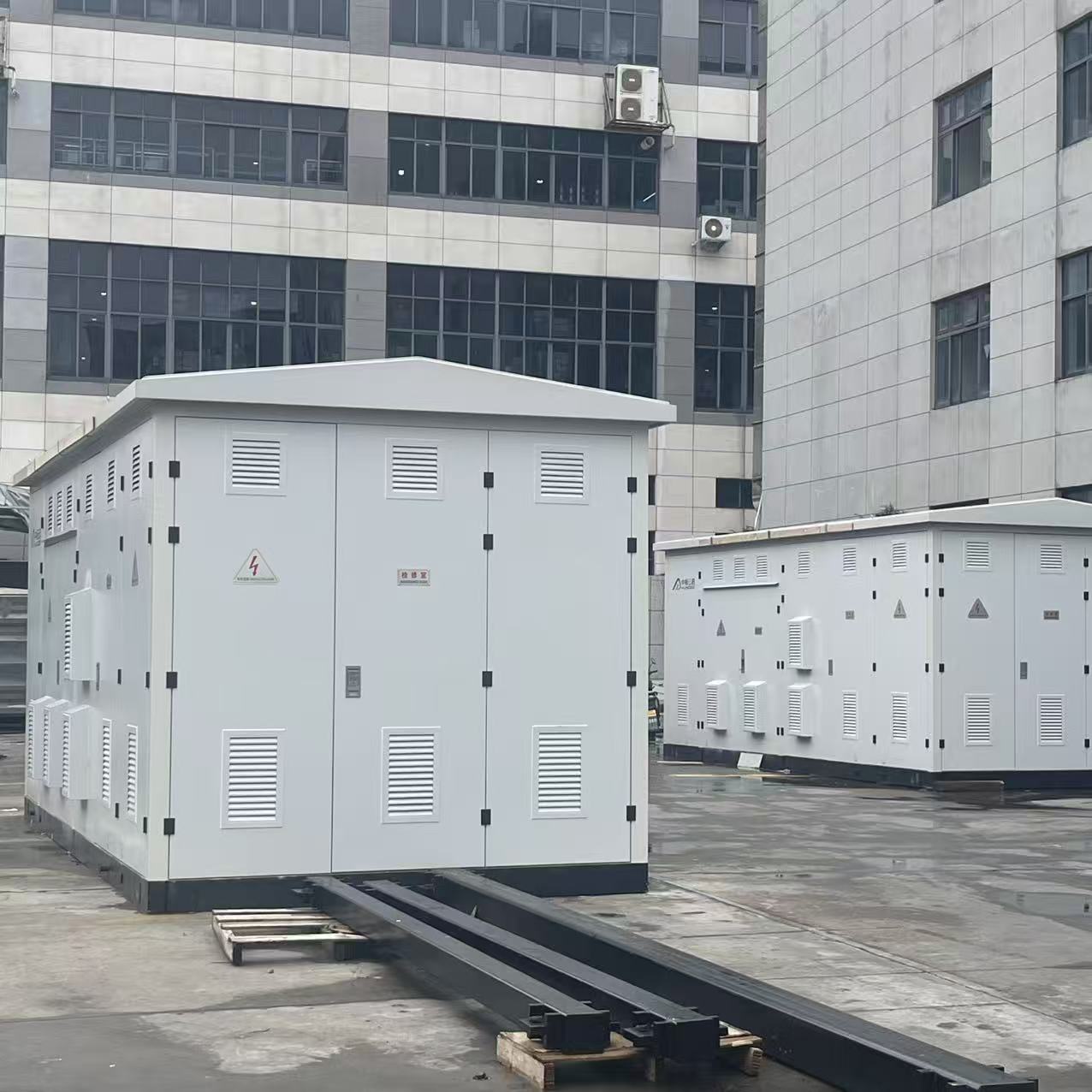
Why Shipment Planning Matters for Prefabricated Substations
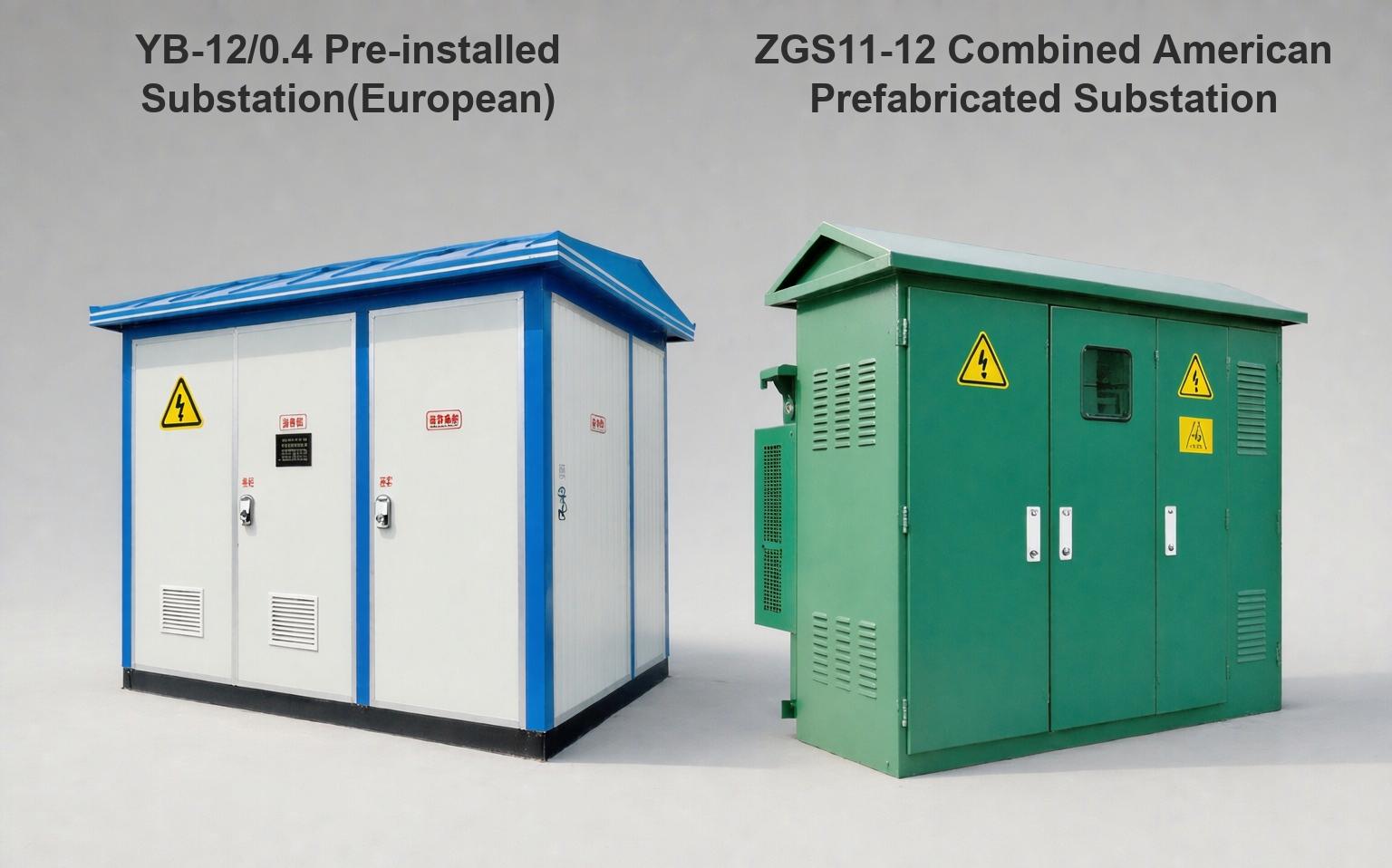
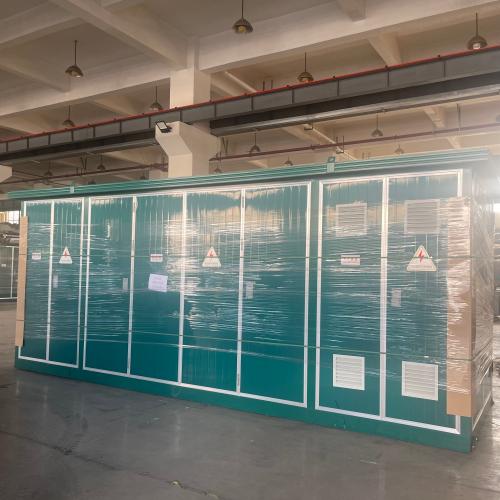
A prefabricated substation is a factory-assembled power distribution solution that may include medium-Voltage Switchgear, low-voltage panels, transformers, protection relays, control systems, metering devices, cable accessories, enclosure systems, ventilation, lighting, and auxiliary equipment. Because these components are integrated into one engineered package, transportation requires more preparation than shipping standard electrical products.
The size, weight, voltage rating, insulation method, enclosure design, and destination regulations can all affect the shipping plan. For example, a compact packaged substation may be transported in a standard container, while a larger skid-mounted or containerized substation may require flat-rack containers, open-top loading, Ro-Ro transport, or special heavy-haul vehicles.
When shipment planning is handled early, buyers can avoid common issues such as oversized cargo restrictions, inadequate foundation preparation, missing import certificates, port storage charges, or incompatibility between delivered equipment and site cable routes.
Start with a Complete Technical and Commercial Confirmation
The most reliable way to prevent shipment problems is to finalize the scope of supply before production begins. A well-prepared technical agreement should define the required electrical performance, physical dimensions, accessories, testing standards, delivery terms, and project documentation.
Before confirming an order, buyers should verify the following points with the manufacturer:
- Rated voltage, frequency, rated current, and short-circuit withstand capacity
- Transformer capacity, vector group, cooling method, and insulation class
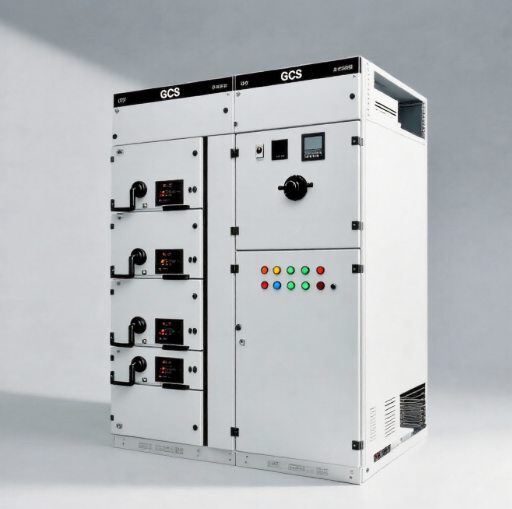
- Medium-voltage and low-voltage switchgear configuration
- Protection relay, metering, communication, SCADA, and remote monitoring requirements
- Ingress protection rating, corrosion protection, ambient temperature range, and altitude
- Substation dimensions, total weight, lifting points, and transport orientation
- Cable entry direction, foundation drawing, earthing arrangement, and site interface requirements
- Required standards, such as IEC, IEEE, ANSI, local utility specifications, or project-specific standards
- Required factory acceptance testing, third-party inspection, and shipping documentation
This stage is especially important for a Complete Set of Prefabricated Substation solution. The buyer should receive a clear single-line diagram, general arrangement drawing, bill of materials, terminal layout, cable schedule, and interface details. These documents make it easier to coordinate civil works, incoming cables, cranes, and installation personnel before the equipment arrives.
Production Scheduling: From Approved Drawings to Factory Acceptance Test
Production lead time varies according to transformer specifications, switchgear type, relay brand, enclosure material, project quantity, and the availability of critical components. Custom-engineered packages generally require more time than standard compact substations.
A professional supplier should provide a production schedule that identifies the key milestones: drawing approval, procurement of major components, enclosure fabrication, assembly, wiring, internal inspection, factory acceptance testing, packing, and dispatch. Buyers should request regular status updates rather than waiting until the estimated shipment date.
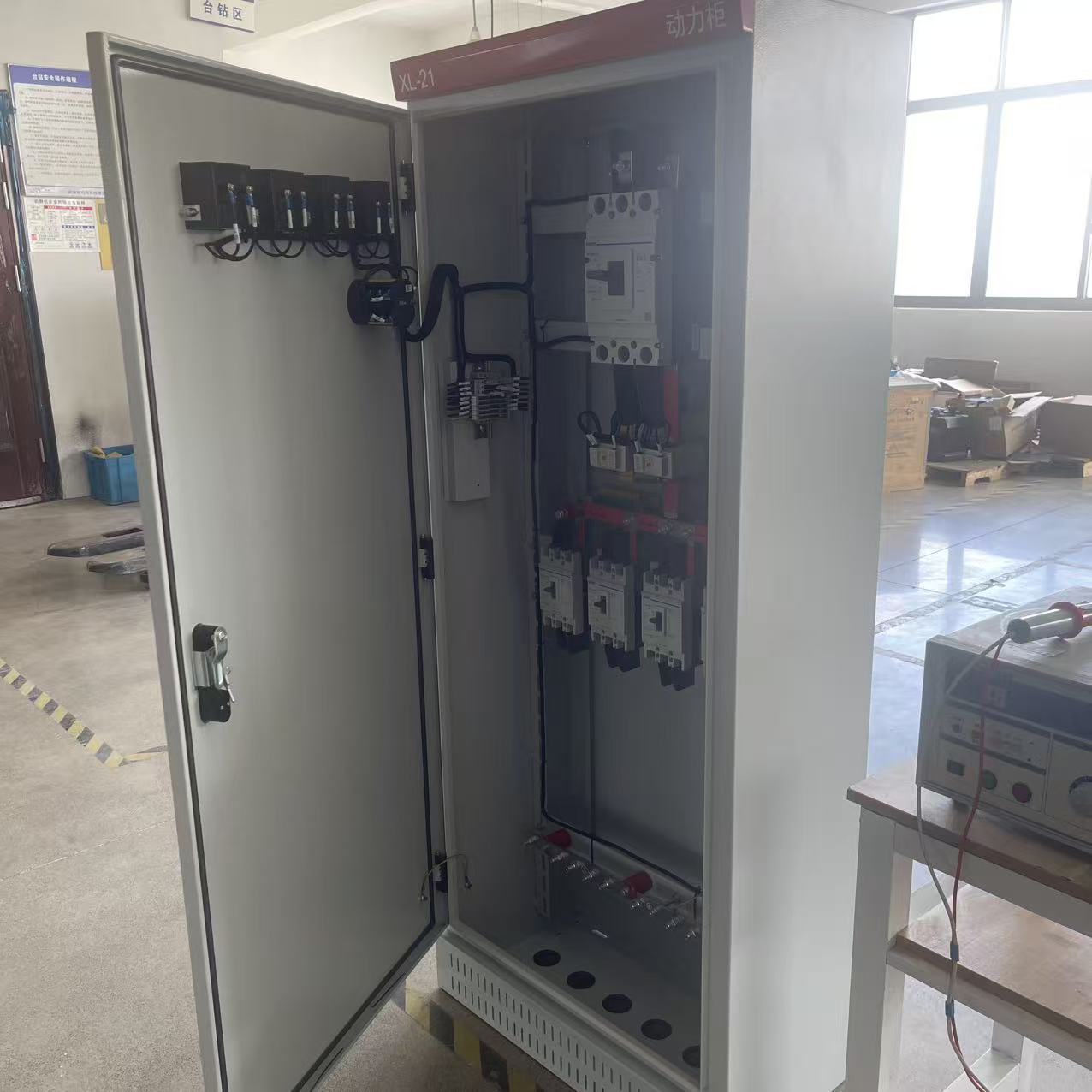
Factory acceptance testing is one of the most valuable checkpoints before delivery. Depending on the agreed scope, the FAT may include insulation resistance testing, dielectric testing, mechanical operation checks, interlocking verification, relay setting verification, continuity testing, functional tests for alarms and auxiliary circuits, transformer routine tests, and communication checks.
When the customer cannot attend in person, remote FAT participation through live video, test reports, photos, and signed inspection records can provide additional confidence. If a third-party inspector is required, the inspection date should be booked early so that shipment is not delayed after production is completed.
Choosing the Right Transportation Method
The best shipping method depends on cargo dimensions, destination, delivery urgency, budget, and local infrastructure. A supplier should evaluate transport conditions while the equipment is still being designed—not after it has been packed.
Container Shipping
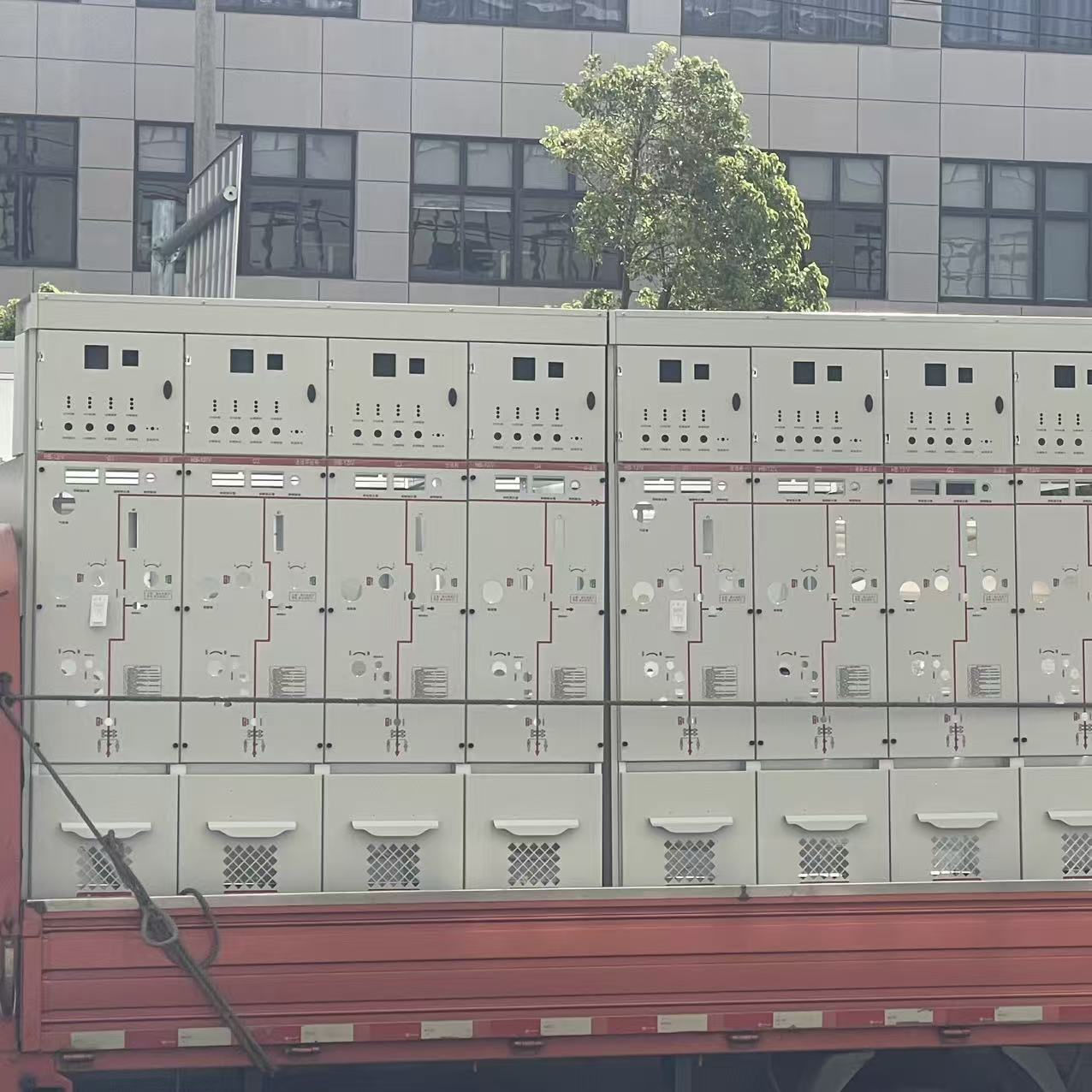
Standard containers are often suitable for compact substations, loose switchgear panels, control cabinets, and accessories. This option usually provides good protection and cost efficiency. However, the internal dimensions and door opening of the container must be checked carefully against the equipment dimensions and lifting method.
Flat-Rack and Open-Top Containers
For oversized transformers, long skid-mounted substations, or equipment that cannot pass through a standard container door, flat-rack or open-top containers may be required. These methods allow top or side loading but require proper lashing, weather protection, and port acceptance.
Breakbulk and Ro-Ro Shipping
Large modular substations or heavy electrical equipment may need breakbulk or roll-on/roll-off transport. This approach can handle unusual dimensions but requires more detailed coordination with the carrier, port, transport authority, and receiving site.
Road Transport to the Final Site
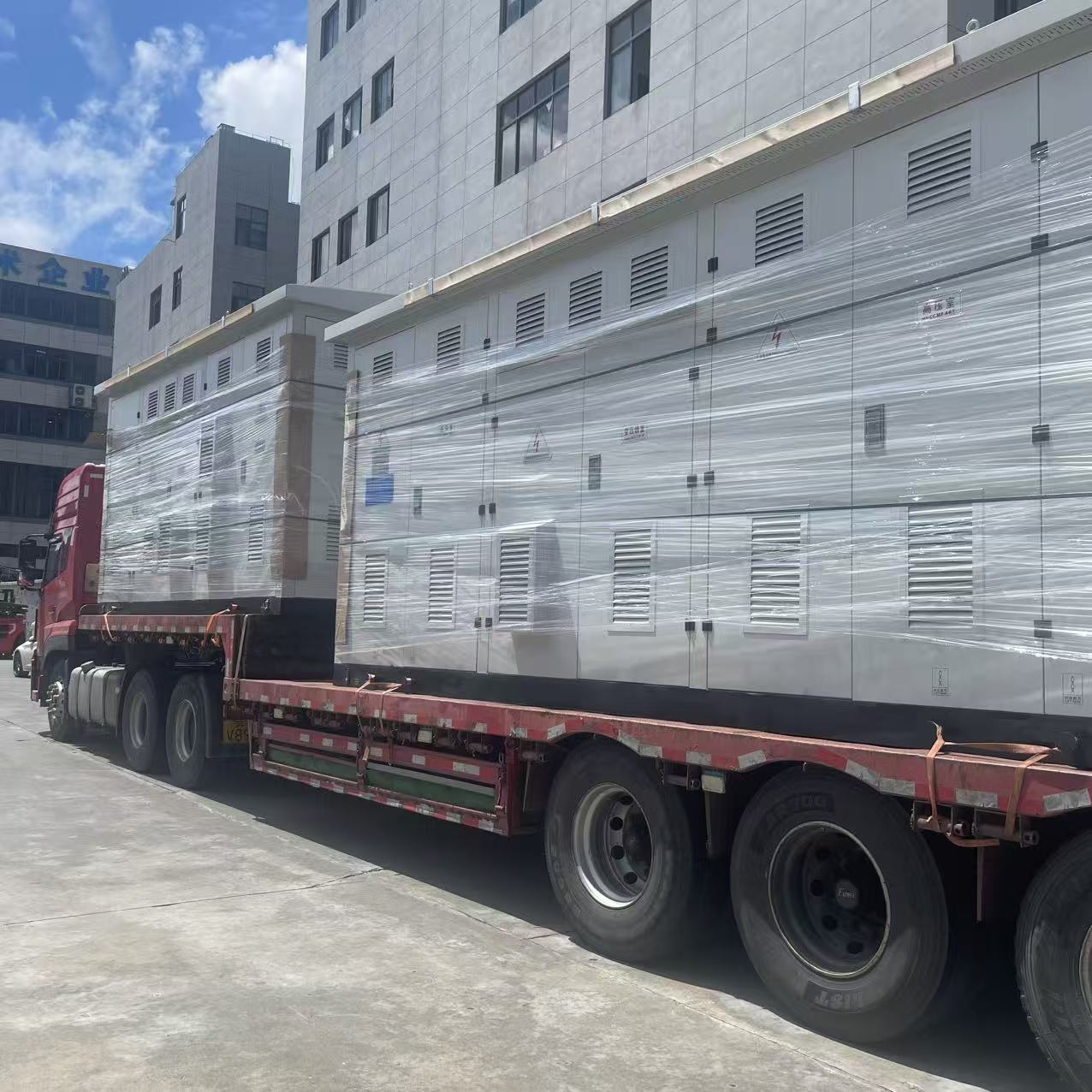
International shipping is only one part of the journey. The final road transport route should be reviewed in advance for bridge limits, narrow roads, turning radius, low overhead lines, site access, and crane positioning. For remote solar farms, mining sites, or utility substations, the last-mile delivery plan can be the most challenging stage.
Packaging and Protection for Power Distribution Equipment
Electrical equipment must arrive clean, dry, secure, and ready for installation. Poor packing can lead to moisture damage, corrosion, vibration-related failures, damaged bushings, broken instruments, or missing accessories. Reliable suppliers use export-grade packaging that matches the transport method and destination climate.
For sensitive Power Distribution Equipment, packaging should normally include moisture barriers, desiccants where appropriate, shock protection, reinforced bases, lifting instructions, handling labels, and securely fixed internal components. Outdoor enclosures should be protected against rain and salt air during port storage and ocean transport.
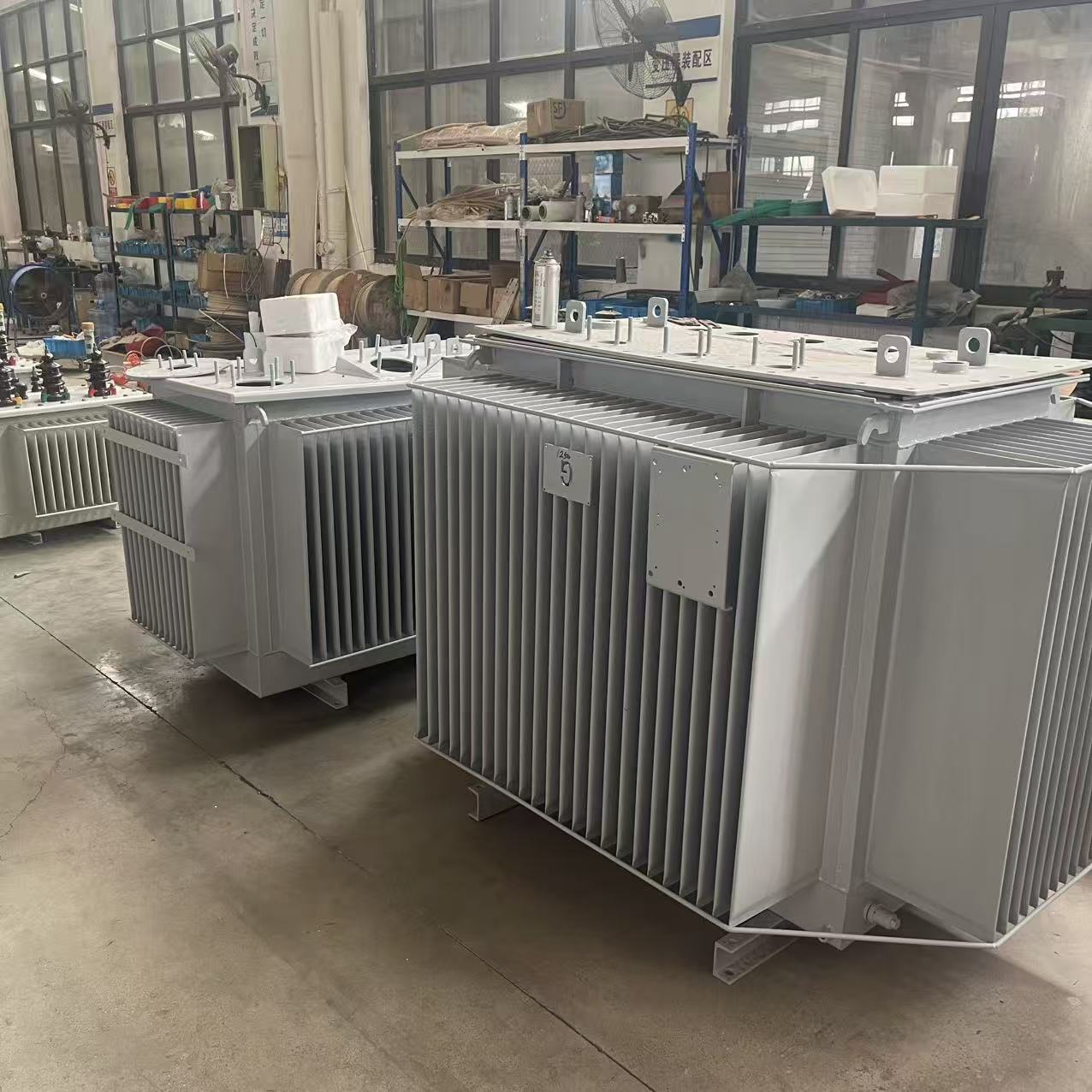
Transformers and switchgear require special attention. Bushings, gauges, radiators, relay cabinets, and external accessories may need separate protection or removal for transport. If accessories are packed separately, every crate should be clearly marked and linked to a detailed packing list.
Buyers should also request photographs of the final packing condition, container loading, lashing arrangement, seal number, and cargo labels. These records can be useful for receiving inspections, insurance claims, and internal project documentation.
Documents That Help Avoid Customs and Site Delays
Missing or inconsistent documents are a common cause of delayed customs clearance. Requirements vary by country, but buyers should confirm the needed documentation before shipment rather than after the vessel has departed.
A typical export document package may include a commercial invoice, packing list, bill of lading or airway bill, certificate of origin, insurance certificate, test reports, product manuals, drawings, warranty documents, and export declaration. Some markets may also require specific conformity certificates, inspection certificates, legalized documents, or local standards approvals.
The commercial invoice should describe the equipment accurately and consistently with the packing list and shipping documents. Product descriptions, quantities, weights, country of origin, and tariff classifications should be checked carefully. If the project uses a letter of credit, every document must comply precisely with the banking requirements.
Incoterms and Responsibility Allocation
Clear delivery terms help prevent misunderstandings between the buyer and supplier. Incoterms define where responsibility, cost, and risk transfer during transportation. The most suitable term depends on the buyer’s logistics capability and the destination conditions.
Under EXW, the buyer handles nearly all transport arrangements from the supplier’s facility. FOB may be suitable for sea freight when the buyer controls the freight forwarder. CIF includes ocean freight and insurance to the destination port, while DAP or DDP may offer greater convenience when the supplier has proven experience delivering to the buyer’s country.
Regardless of the selected term, the contract should clearly state who is responsible for export customs clearance, freight booking, insurance, destination handling, import duties, inland transport, unloading, and installation support. Buyers should never assume that “delivery included” covers every local cost.
Preparing the Site Before the Substation Arrives
A shipment can arrive on time and still create delays if the site is not ready. The foundation, cable trenches, earthing grid, access road, crane area, and incoming cable routes should be completed according to the approved drawings before delivery.
Project teams should check the foundation dimensions, embedded channels or anchor bolts, equipment orientation, cable entry locations, drainage, clearances, and earthing connections. The delivery team should also receive a lifting plan that confirms crane capacity, lifting beam requirements, slinging locations, and safe unloading procedures.
For a prefabricated substation with high-low-voltage switchgear, site teams should confirm the interface between the medium-voltage incoming feeder, transformer section, low-voltage outgoing distribution, auxiliary supply, and control communication system. Resolving these details before delivery reduces commissioning time significantly.
Receiving Inspection: What to Check Upon Arrival
Once the equipment reaches the project site, the receiving team should inspect it before signing final delivery acceptance. Any visible damage, water ingress, missing crates, broken seals, or incorrect labels should be recorded immediately with photographs and written remarks on the delivery receipt.
The receiving inspection should compare the delivered goods with the packing list, approved drawings, and purchase order. Check the enclosure condition, paint finish, doors, locks, lifting points, cable entries, gauges, nameplates, accessories, and spare parts. If transport impact indicators or tilt indicators are installed, their status should also be documented.
If damage is suspected, notify the supplier, carrier, and insurer promptly. Do not dispose of packaging or attempt repairs before the parties agree on the inspection process, as this may affect an insurance claim.
How Suppliers Keep Prefabricated Substation Orders Moving Smoothly
Successful delivery depends on more than manufacturing capability. A dependable supplier coordinates engineering, procurement, quality control, packing, and logistics through one controlled process. The supplier should provide responsive communication, transparent progress reporting, technically accurate documents, and practical support for transport and installation planning.
Buyers should look for manufacturers with experience in international projects, established quality procedures, traceable component sourcing, export packaging capability, and familiarity with regional electrical requirements. It is also helpful to choose a partner that can provide commissioning guidance, relay setting support, spare parts recommendations, and after-sales technical assistance.
FAQ: Smooth Shipment of Prefabricated Substation Orders
How long does it take to ship a prefabricated substation?
The total timeline includes engineering approval, manufacturing, testing, packing, sea or air freight, customs clearance, and inland transport. Standard projects may move faster, while customized substations with special transformers, protection systems, or third-party inspections require additional lead time. A detailed production and shipping schedule is the best way to establish realistic expectations.
Can a complete prefabricated substation be shipped in one container?
Some compact designs can be shipped in a standard or high-cube container. Larger units may need flat-rack, open-top, breakbulk, or multiple-container transport. The manufacturer should confirm dimensions, gross weight, center of gravity, and loading method before booking freight.
What information should a buyer provide for an accurate shipping quotation?
Provide the destination port or full delivery address, preferred Incoterm, required delivery date, site access conditions, local import requirements, and whether unloading equipment is available. The supplier also needs final equipment dimensions and packing details to select the correct shipping method.
What should be included in a factory acceptance test?
The FAT should be based on the approved technical specification and applicable standards. It commonly covers visual inspection, wiring checks, interlocks, mechanical operation, insulation tests, protection relay functions, control circuits, transformer routine tests, and communication functions where applicable.
How can buyers reduce the risk of shipping damage?
Choose export-grade packing, use proper lashing and moisture protection, confirm lifting points, request loading photographs, insure the cargo, and conduct a documented receiving inspection. Equipment with sensitive external components should receive additional transport protection.
Should installation and commissioning be planned before shipment?
Yes. Foundation readiness, cable routes, earthing, crane access, installation tools, trained personnel, and commissioning procedures should be prepared before delivery. Early planning helps ensure that the substation can be installed and energized without unnecessary waiting time.
Smooth shipment of prefabricated substation orders depends on early technical confirmation, controlled production, thorough testing, suitable packaging, accurate documents, and coordinated logistics from the factory to the final site. By working with an experienced supplier and preparing the installation location in advance, buyers can reduce delivery risk, protect valuable electrical assets, and bring their power distribution project into operation more efficiently.