


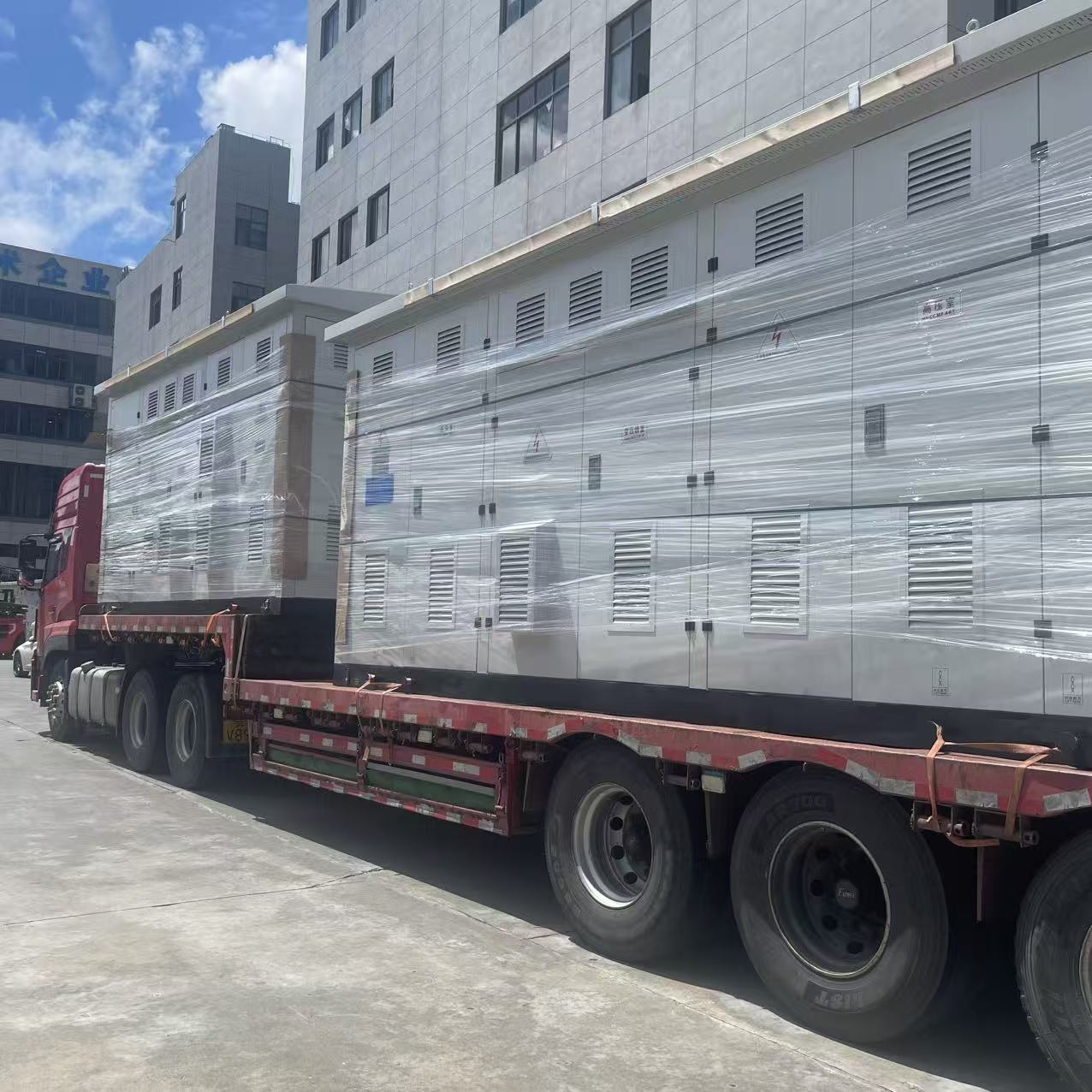
Internal Compartment Operation & Maintenance of European Prefabricated Substation for Overseas Power Projects
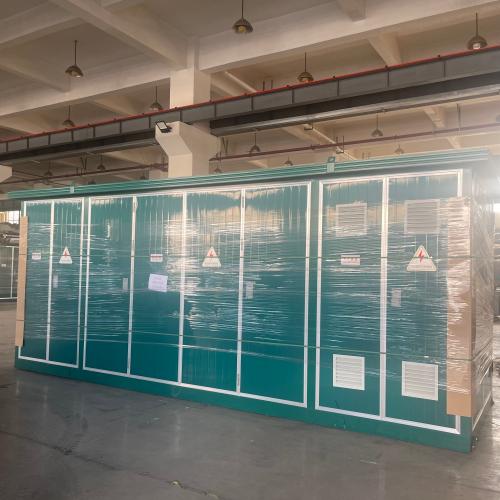
In the rapidly evolving landscape of global energy infrastructure, the role of European box substations—also known as Walk-In Type Compact substations or Prefabricated Substations—has become increasingly pivotal, especially for overseas EPC projects targeting efficiency, safety, and longevity. Ensuring the optimal performance of these substations requires meticulous attention to internal compartment operation and maintenance, as each compartment houses distinct, critical components designed to facilitate seamless power distribution and protection. In this comprehensive guide, we delve deep into the specifics of internal compartment operation and maintenance for export European box substations with a separate compartment structure, addressing key considerations, safety requirements, inspection protocols, and components that require prioritization.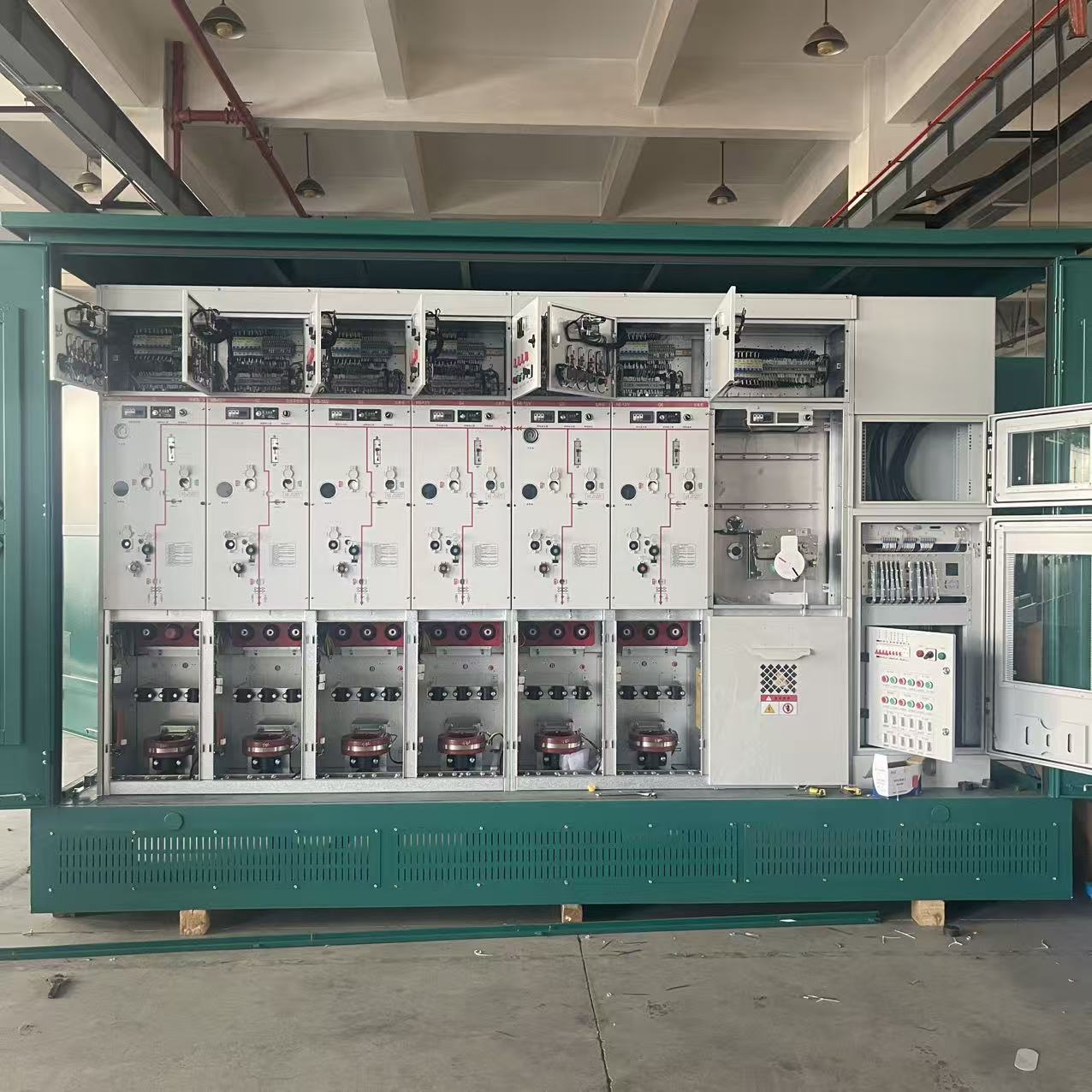
Understanding European Box Substations: Structure and Key Features
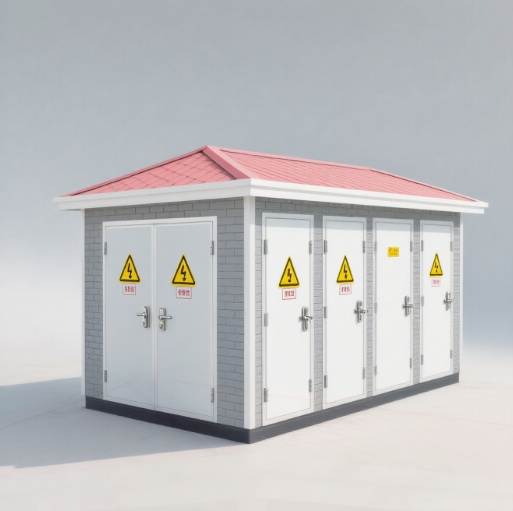
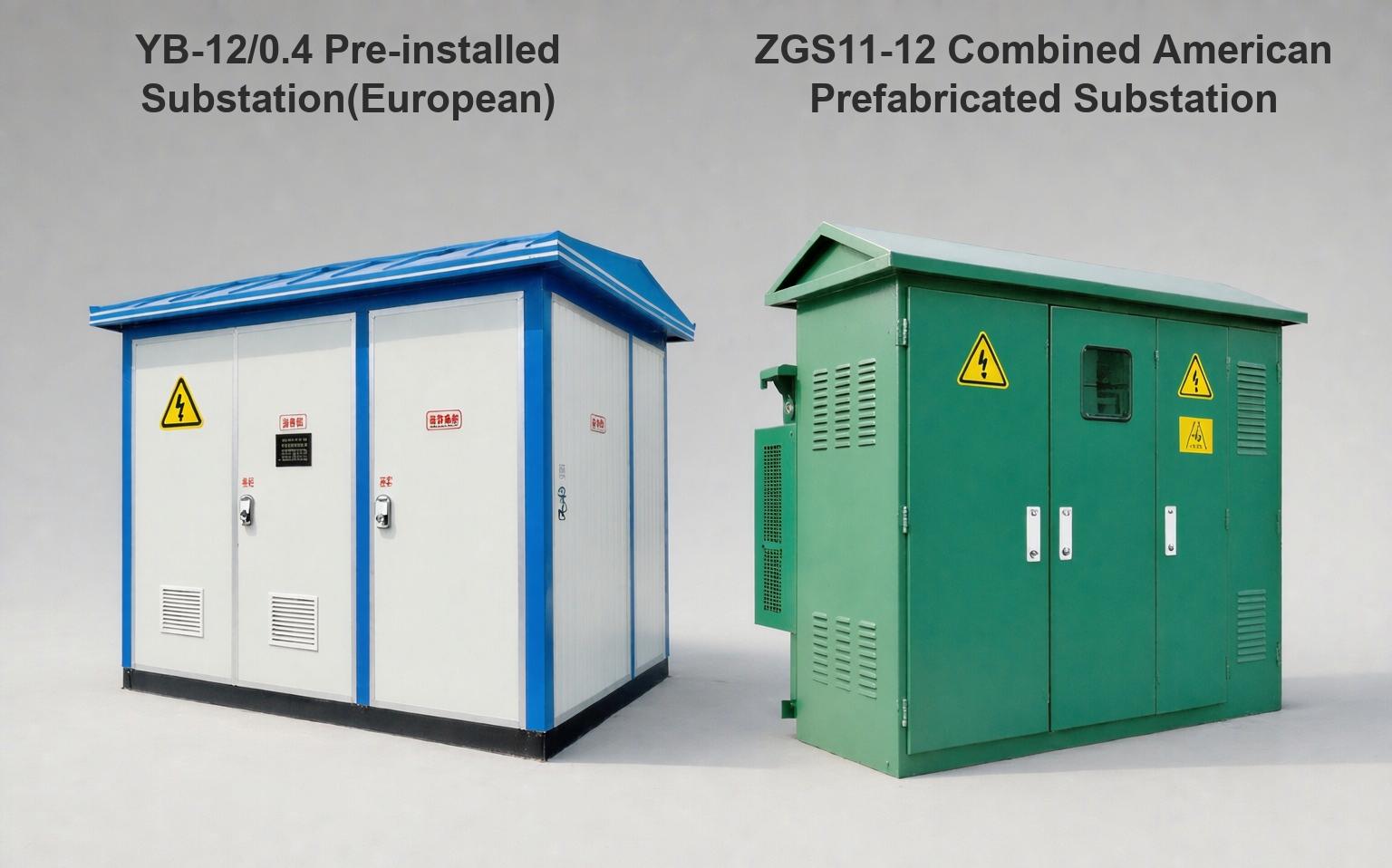
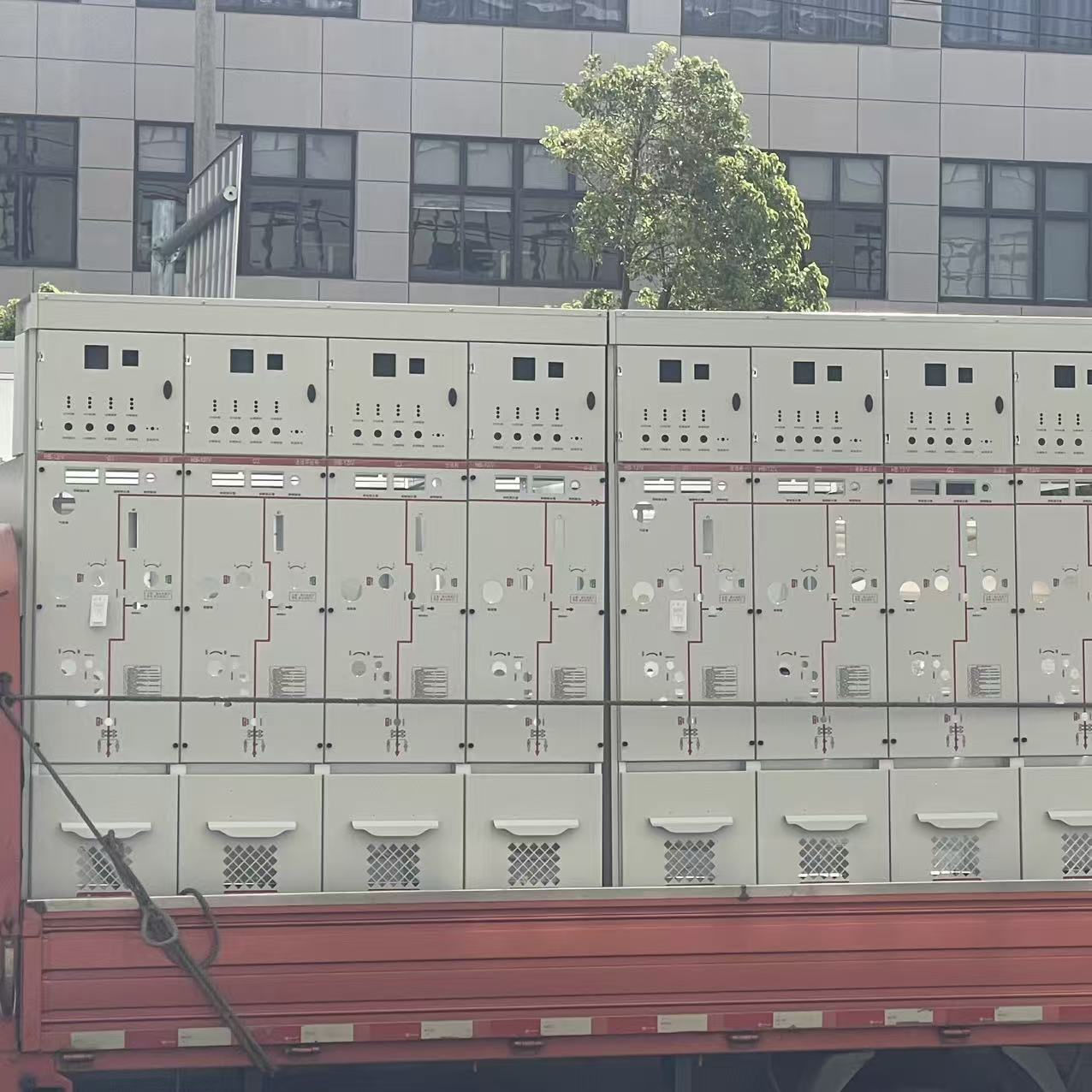
European box substations are integral to modern power distribution networks, thanks to their compact design, reliability, and adaptability across diverse environments. These prefabricated substations are delivered as factory-assembled units, engineered for rapid deployment in overseas power projects. The cornerstone of their design is the internal compartmentalization, typically segregated into MV (medium voltage) Switchgear, LV (low voltage) distribution panels, and transformer compartments. This structured separation enhances operational safety, facilitates targeted maintenance, and reduces the risk of cross-compartment contamination.
A vital attribute of Walk-In Type Compact Substations is their accessibility. Every compartment is equipped with robust doors—often lockable and gasket-sealed—to ensure both security and environmental protection. Upon opening, technicians gain direct access to components for inspection, testing, and replacement. This ease of access is especially critical for overseas EPC ventures, where maintenance schedules and protocols must be both rigorous and adaptable to local conditions.
Moreover, prefabricated substations are engineered for high efficiency, often integrating advanced monitoring systems, insulation materials, and enhanced cooling mechanisms. These innovations not only streamline operation but also simplify internal maintenance and inspection routines, making them attractive solutions for clients prioritizing reliability and speed in project execution.
Compartment Inspection: Step-by-Step Protocols for Export European Box Substation
Compartment inspection for export European box substations with open doors constitutes a cornerstone of ongoing maintenance. The aim is twofold: to prevent unexpected failures and to ensure compliance with international safety standards. But which compartments should be inspected, how, and when?
The primary compartments include:
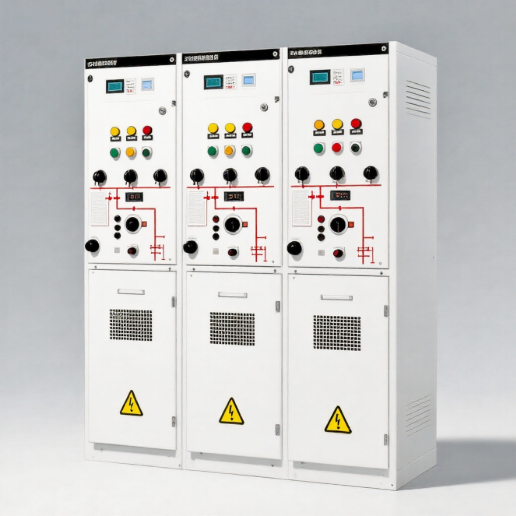
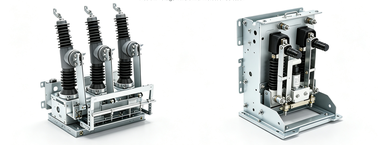
- MV Switchgear Compartment: Houses circuit breakers, relays, busbars, and protection devices.
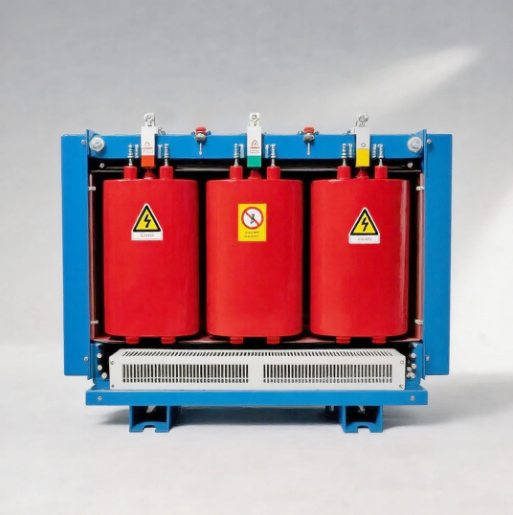
- Transformer Compartment: Contains the transformer, cooling fans, and often temperature monitoring systems.
- LV Distribution Compartment: Hosts panels, meters, surge protection devices, and auxiliary equipment.
Routine inspections involve opening compartment doors sequentially, verifying the integrity of seals, and inspecting for signs of dust, moisture, or corrosion. Technicians are advised to perform visual checks for loose connections, overheated cables, and abnormal sounds or odors. Each inspection should be logged, creating a robust history for predictive maintenance and troubleshooting. For overseas projects, establishing a clear inspection frequency—monthly, quarterly, or after adverse weather events—is essential for maintaining warranty coverage and ensuring uninterrupted operation.
Safety Requirements for Opening Compartment Doors: Best Practices and Regulations
Adhering to strict safety requirements is non-negotiable when conducting internal maintenance of separate compartments in European prefabricated substations. This is particularly crucial for export projects, where variations in local standards may exist. Key practices include:
Firstly, technicians must ensure that each compartment is securely isolated from the live network before opening doors. This involves locking out and tagging out (LOTO) procedures, disabling external power feeds, and grounding any residual voltages. Personal protective equipment (PPE), such as insulated gloves, arc flash suits, and eye protection, is mandatory to prevent electrical accidents.
Secondly, environmental conditions must be assessed. Excessive humidity, dust, or temperature extremes can impact both safety and equipment integrity. Before opening doors, it is advisable to inspect compartment exteriors for signs of water ingress or pests, which may compromise insulation or cause short circuits.
Lastly, compliance with European CE standards and IEC guidelines should be regularly verified. For overseas clients, confirming that substations are operated and maintained in line with export regulations—such as required signage, isolation distances, and grounding systems—will minimize liability and ensure project milestones are met without incident.
Priority Components during Internal Compartment Maintenance
Not all components within a European box substation require equal attention during maintenance. Identifying priority items ensures that resources are allocated efficiently, and potential vulnerabilities are addressed before they escalate.
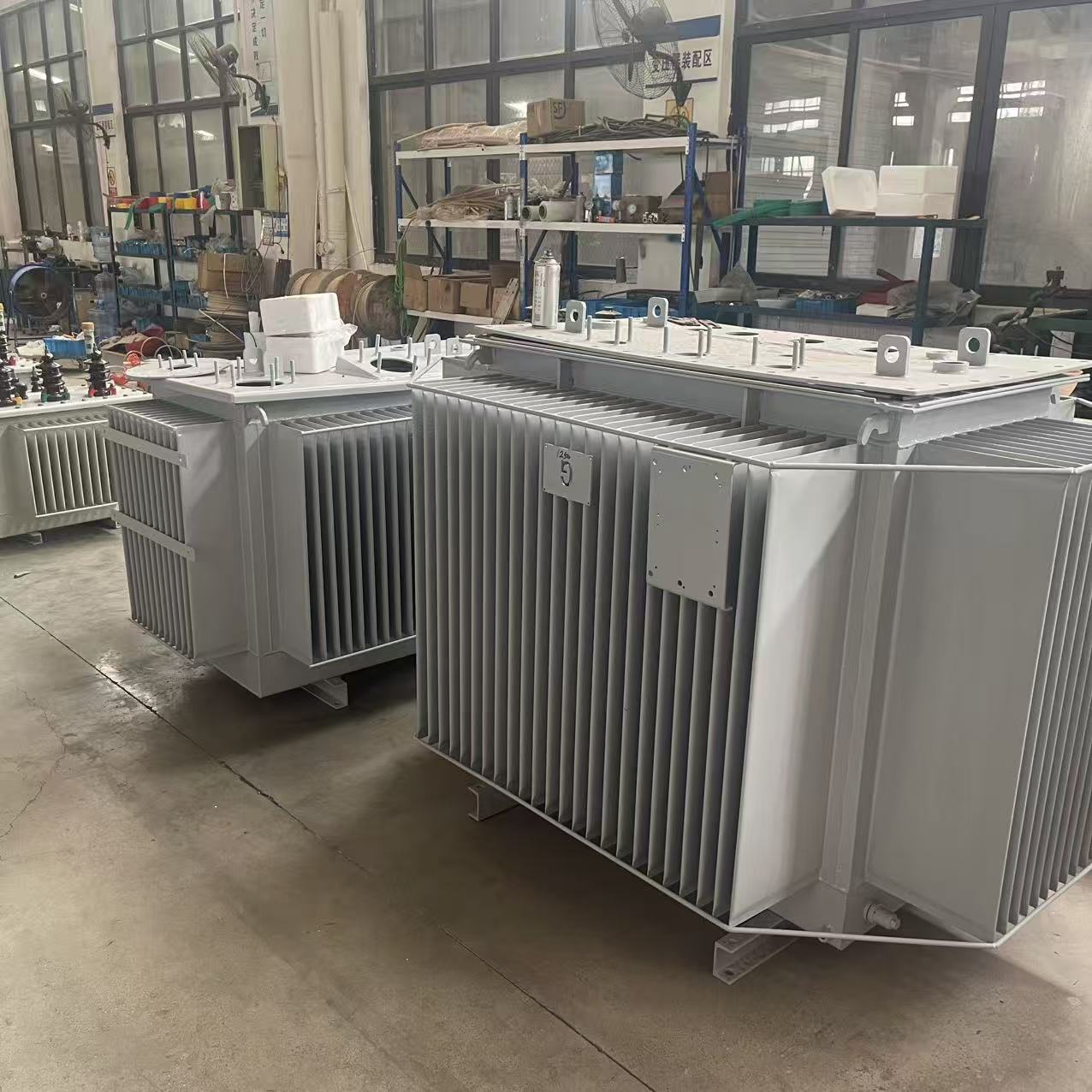
The transformer is usually the central focus, as it functions as the heart of power conversion. Routine checks must include oil level and quality (for oil-filled transformers), temperature sensors, cooling fan operation, and physical inspection for leaks or abnormal vibrations. Regular diagnostic tests, such as insulation resistance and thermal imaging, can identify issues before they become critical.
For the MV switchgear compartment, priority is given to circuit breakers, protection relays, and busbars. Testing break times, calibrating relays, and ensuring busbar connections are tight and corrosion-free are essential. Arc flash risk is high, so frequent monitoring for insulation degradation is recommended.
In the LV distribution panel, meters, surge protection devices, and backup power systems (such as UPS or battery banks) must be checked for accuracy and operational readiness. Overcurrent and short circuit protection devices require functional tests to guarantee rapid response during fault conditions.
Additionally, auxiliary systems like internal lighting, ventilation fans, and communication interfaces (SCADA, Ethernet, etc.) must be inspected to ensure the substation remains safe and visible during maintenance, especially in remote overseas projects where emergency response may be delayed.
Common Issues and Troubleshooting Strategies in European Prefabricated Substations
Despite their robust design, European prefabricated substations may face a range of issues, particularly when operated in challenging overseas environments. Recognizing common problems and employing proactive maintenance can mitigate downtime and extend service life.
Moisture ingress is a frequent concern, especially in humid climates. Regular door seal checks and compartment dehumidification are crucial. Corrosion of busbars and connectors can also occur, accelerated by salt-laden air or pollutants. Applying anti-corrosive coatings and using stainless-steel hardware address these threats.
Overheating is another issue, particularly for transformers and MV switchgear. Blocked ventilation paths, failed cooling fans, or excessive loads may cause temperature spikes. Temperature monitoring systems and periodic cleaning of vents can prevent such issues. Additionally, electrical noise—such as hums or buzzes—may indicate loose windings, misaligned components, or failing relays.
Remote monitoring and diagnostics, now standard in advance European prefabricated substations, allow for rapid detection and response to these faults. For overseas projects, integrating these systems with central control rooms enhances real-time visibility, ensuring that any anomaly triggers immediate corrective action.
Expanding Operation & Maintenance Protocols for Overseas EPC Projects
Overseas EPC (Engineering, Procurement, and Construction) projects demand elevated standards for operation and maintenance of European box substations. These projects often face logistical challenges, language barriers, and varying regulatory frameworks. Thus, protocols must not only address technical maintenance but also facilitate training, documentation, and real-time support.
Establishing maintenance plans aligned with local regulations—such as grid codes and worker safety standards—is fundamental. These plans should include tailored checklists for compartment inspection, emergency procedures, and clear escalation paths for detected issues. Multilingual documentation, graphical guides, and digital logging simplify local workforce adaptation.
For remote sites, digital twins and virtual maintenance simulations provide training opportunities, enabling technicians to practice compartment maintenance and fault diagnosis. Integrating supply chain management for spare parts—especially for transformers, circuit breakers, and protection relays—ensures timely availability, reducing downtime in vital power sectors.
Feedback loops, including post-maintenance audits and customer reporting systems, are vital in overseas contexts. This continuous improvement approach positions European box substations as premium, reliable solutions for global power distribution needs.
Enhancing Customer Engagement: Data-Driven Maintenance, Customization, and Consultation
Clients interested in European box substations for overseas power projects increasingly demand bespoke solutions and expert consultation. Leveraging data-driven maintenance—where monitoring systems continuously analyze compartment conditions and usage—provides actionable insights to optimize performance and reduce costs.
Customization is another trend. Customers may request additional compartments (for renewable integration or battery storage), enhanced environmental protection (such as sand filters or humidity control) or specific interfaces for remote monitoring. Manufacturers must respond with flexible designs and comprehensive pre-delivery testing, ensuring every prefabricated substation meets export project requirements.
Engagement is amplified when customers have direct access to knowledgeable consultants who can explain internal maintenance strategies, recommend scheduling, or troubleshoot emerging issues. This approach not only increases retention, but also fosters trust, prompting repeat business and positive referrals within the global EPC market.
To facilitate this, many suppliers offer online Q&A portals, live chat support, and interactive maintenance dashboards, which empower customers to proactively engage with their European box substation investments.
FAQs: Internal Compartment Maintenance for European Box Substations
Which compartments should be inspected during maintenance of export European box substation with separate compartment structure?
All main compartments—MV switchgear, transformer, and LV distribution panels—must be systematically inspected for signs of wear, contamination, or mechanical failure. Auxiliary compartments (for communications or batteries) should also be checked if present.
What safety requirements must be followed when opening compartment doors for internal inspection of European box substation?
Isolation of electrical sources and strict LOTO procedures are essential. PPE and compliance with local and international safety standards (CE, IEC) must be observed, including environmental assessments and hazard identification.
What internal components need priority checking during compartment maintenance of European box substation for overseas projects?
Transformers, circuit breakers, protection relays, busbars, surge protection devices, and cooling systems require priority attention. Auxiliary systems, such as lighting and ventilation, should also be inspected for safety and functionality.
How often should compartment maintenance be performed for European prefabricated substations in overseas EPC projects?
Maintenance schedules vary, but quarterly inspections are typical. Additional inspections may be warranted after severe weather events, grid disturbances, or following extended periods of inactivity.
Can remote diagnostics and monitoring streamline internal compartment maintenance for European box substations?
Absolutely. Modern substations integrate IoT sensors and remote monitoring platforms, allowing for real-time diagnostics and predictive maintenance, which significantly reduces manual intervention and enhances operational reliability.
The internal compartment operation and maintenance of European box substations—from routine inspections and safety protocols to troubleshooting and customer engagement—represent a holistic approach to reliability and efficiency in overseas power projects. By understanding compartment structures, adhering to global safety requirements, and prioritizing key maintenance tasks, clients can ensure uninterrupted, safe, and scalable power delivery. As technology, customization, and data-driven insights evolve, these substations remain at the forefront of modern power distribution, offering unmatched value for EPC contractors and end-users alike. For customers, being proactive in maintenance and consultation not only secures project longevity, but also positions them as leaders in the demanding global energy landscape.