


How Amorphous Core Helps SC(B)H15 Transformer Reduce No-Load Loss
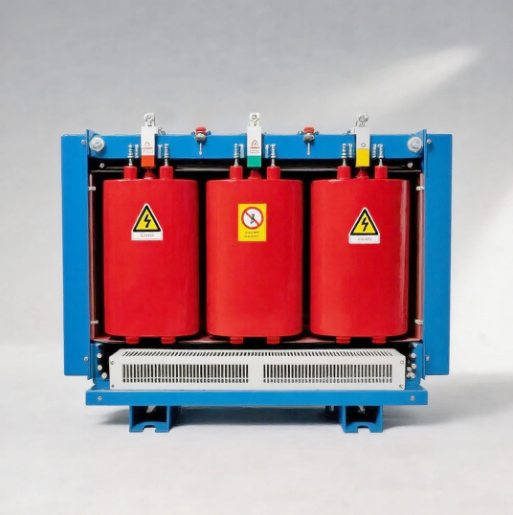
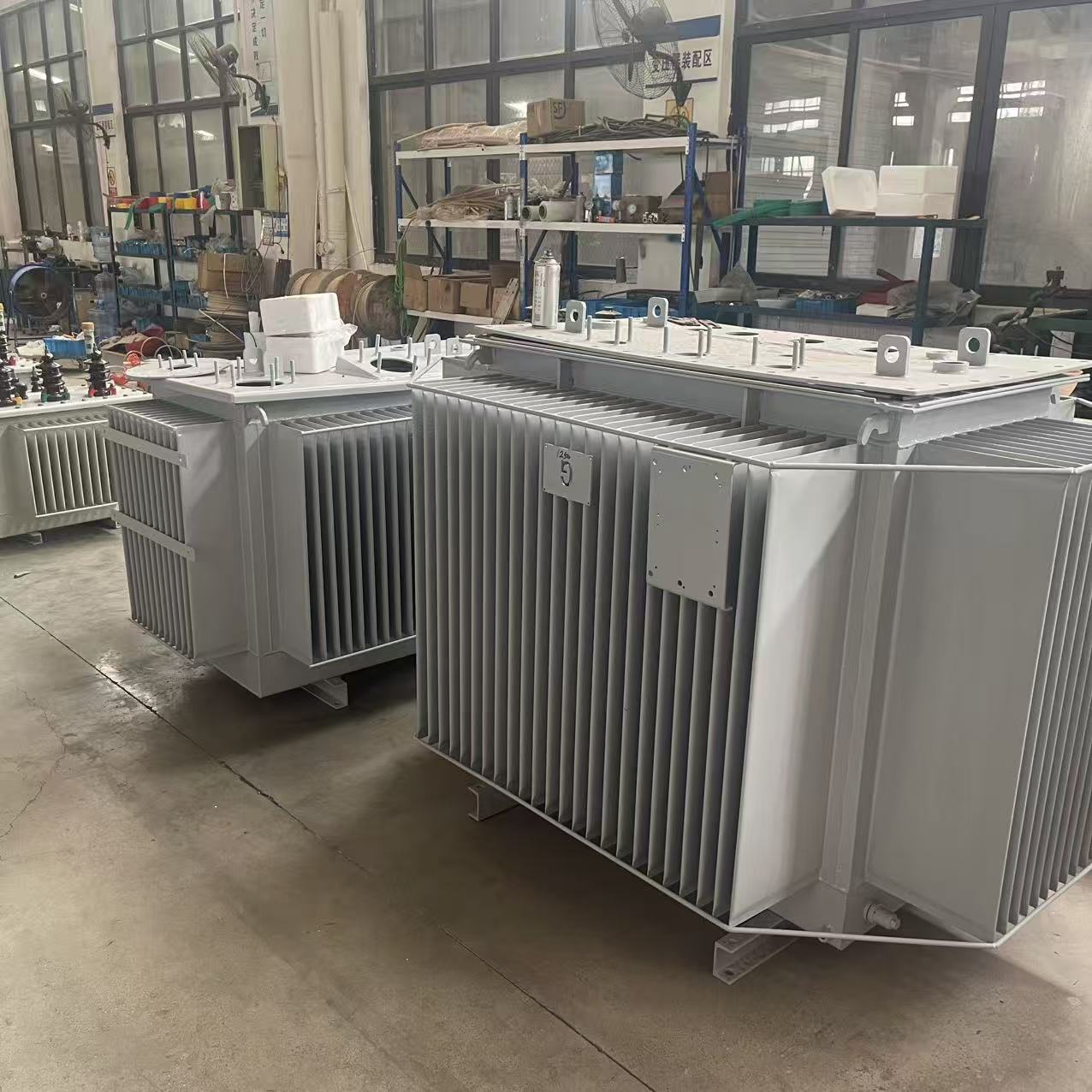
SC(B)H15 Amorphous Alloy Dry-Type Transformer technology has emerged as a game-changer in the pursuit of greener, more efficient electrical distribution. One of the most critical advantages of these transformers is their significant reduction of no-load loss, a factor that impacts power consumption and operational costs globally. At the heart of their efficiency is the unique amorphous alloy core. This article will delve into how the amorphous core directly influences the no-load loss of SC(B)H15 amorphous alloy transformers, compare core loss compositions, and answer pivotal questions about transformer design and performance.
Understanding No-Load Loss in Transformers
No-load loss, also known as core loss, refers to the power dissipated in a transformer when it is energized but not supplying any load to the circuit. This loss is a composite of two primary phenomena: eddy currents and hysteresis loss. No-load losses are inherent in transformer operation and occur due to the continuous magnetization of the core material by the alternating magnetic field. In conventional designs using silicon steel, these losses constitute a sizable part of a transformer's energy consumption, driving up costs and decreasing operational efficiency.
For utility companies, industrial plants, and commercial businesses, reducing no-load loss is essential not just for lower electricity bills but also for achieving sustainability targets. With electric infrastructure expanding worldwide, minimizing these losses can have a sizeable impact on carbon emissions and resource conservation. The search for innovative solutions has led to the adoption of amorphous alloy cores in SC(B)H15 transformers, which are engineered specifically to address and mitigate no-load losses.
The Science Behind Amorphous Alloy Core
Amorphous alloy, sometimes called metallic glass, is a material known for its superior magnetic characteristics compared to traditional silicon steel. What sets amorphous metal apart is its atomic structure: unlike silicon steel, which has a crystalline configuration, the atoms in amorphous metal are randomly distributed, forming a non-crystalline state. This unique structure translates into very low magnetization losses and high electrical resistance, which in turn minimizes eddy current formation.
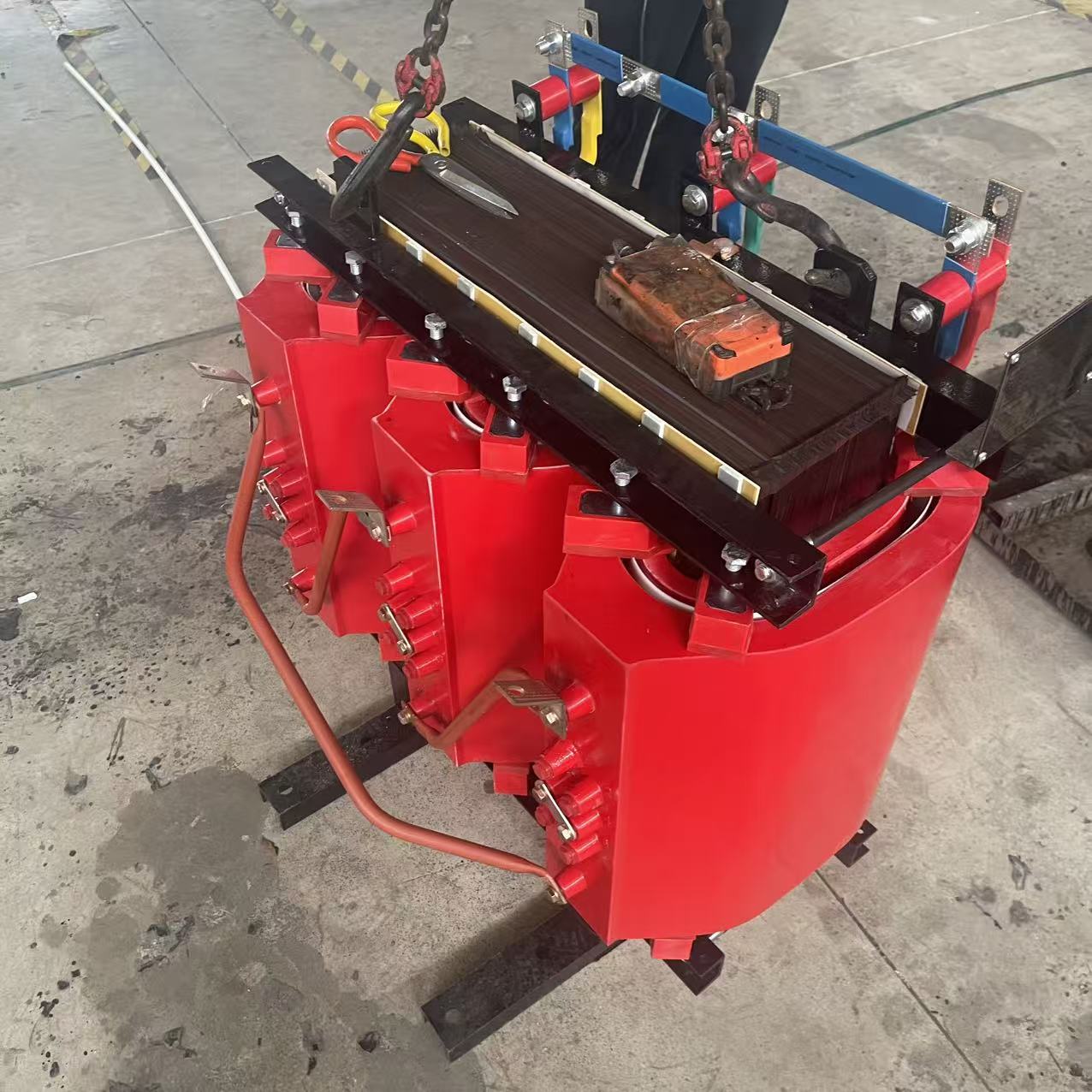
The core of the SC(B)H15 Amorphous Alloy Dry-Type Transformer is constructed from thin ribbons of amorphous metal, produced by rapid cooling of molten alloy. This process not only ensures uniformity and purity but also results in a core that exhibits extremely low hysteresis and eddy current loss. When the transformer is energized, the core remains highly resistant to magnetic fields, leading to minimal energy dissipation during no-load conditions.
The transformation from silicon steel to amorphous alloy represents advancement in both material science and electrical engineering, offering tangible efficiency advantages throughout transformer lifecycles.
Core Loss Composition of SC(B)H15 Transformer
Understanding the nature of core loss in transformers is key to appreciating the advantages of amorphous core technology. Core losses are split into two main categories:
Hysteresis Loss: This loss arises from the reversal of magnetization in the transformer's core as the alternating current passes through the windings. Every time the magnetic domain flips, energy is expended, resulting in heat. Amorphous alloys, with their non-crystalline structure, require less energy for magnetization reversal, thereby reducing hysteresis loss.
Eddy Current Loss: Based on Faraday's laws, alternating magnetic fields induce swirling currents within the conductive core material. These eddy currents translate directly into heat, causing unwanted energy loss. Amorphous alloy’s high-resistivity and thin strip structure make it inherently resistant to eddy current formation.
By leveraging amorphous alloy cores in SC(B)H15 transformers, both sources of core loss are drastically reduced. This delivers a significant efficiency boost compared to conventional silicon steel transformers.
Amorphous Alloy vs. Silicon Steel Core Loss Comparison
A direct comparison between amorphous alloy core transformers and traditional silicon steel core designs reveals striking differences in performance, particularly when considering no-load loss. Silicon steel, while cost-effective and widely used, carries with it higher core losses due to its crystalline lattice structure, which is more prone to hysteresis and eddy currents.
Amorphous alloy's unique properties present several advantages:
- Lower No-Load Loss: The randomized atomic arrangement in amorphous metal is much less susceptible to magnetic domain flips, minimizing hysteresis loss. - Reduced Eddy Current Loss: High resistance and ultra-thin ribbon geometry limit eddy currents, drastically reducing wasted energy. - Improved Energy Efficiency: Typical SC(B)H15 amorphous alloy transformers exhibit up to 70% lower no-load loss than equivalent silicon steel models.
This substantial reduction translates directly into cost savings, lower heat generation, and increased operational lifespan. For facilities operating numerous transformers, upgrading to amorphous alloy core units like the SC(B)H15 can yield significant benefits both financially and environmentally.
Why Amorphous Alloy Core Has Low No-Load Loss
Delving deeper into the science, one must examine why amorphous alloy cores outperform silicon steel counterparts in curbing no-load losses. The answer lies in the material's microstructure and fabrication technique.
Amorphous alloy is produced rapidly, cooling molten metals at rates exceeding one million degrees per second. This process prevents atoms from settling into a regular crystalline pattern and instead forms a "frozen" random structure. As a result, the core exhibits:
- High Electrical Resistivity: This property restricts eddy current formation, the primary cause of no-load loss. - Low Coercivity: The energy required to magnetize and demagnetize the core is minimal, leading to reduced hysteresis loss. - Thin Lamination: The core consists of extremely thin strips, further restricting eddy currents and allowing more effective cooling.
This material innovation enhances the overall performance of the SC(B)H15 Amorphous Alloy Dry-Type Transformer, making it an ideal choice for modern electrical networks where efficiency, reliability, and sustainability are prioritized.
The Impact of Amorphous Core on SC(B)H15 Transformer Efficiency
The adoption of amorphous alloy cores in SC(B)H15 dry-type transformers is not merely a theoretical improvement; it delivers measurable efficiency gains in real-world applications. Lower no-load loss means less wasted electricity and reduced operational expenses.
For example, when evaluating a 1000 kVA SC(B)H15 transformer, no-load losses can be up to 30% of what is observed in a similar silicon steel transformer. This difference is particularly pronounced in environments with multiple transformers running at idle for extended periods, such as in substations, hospitals, universities, or commercial complexes.
Over the service life of a transformer, these savings accumulate, offering reduced heat output, requiring less intensive cooling systems, and contributing to extended equipment longevity. With lower energy demands, facilities can also reduce their carbon footprint and align with international energy efficiency targets.
From a technical standpoint, the efficiency improvements offered by SC(B)H15 amorphous alloy transformer no-load loss optimization deliver enhanced stability and reliability, ensuring uninterrupted electrical supply with minimized risk of overheating or mechanical degradation.
Amorphous Core Eddy Current Loss: The Key to Lower No-Load Loss
Eddy current loss is a paramount concern when it comes to transformer no-load efficiency. Whenever the magnetic field changes direction rapidly, conductive cores tend to develop circulating currents—"eddy currents"—which dissipate energy as heat. In silicon steel cores, the relatively thick laminations and lower electrical resistivity allow these currents to thrive, resulting in substantial core loss.
The amorphous alloy core design in SC(B)H15 transformers addresses this challenge through several mechanisms:
- Ultra-Thin Strips: Core laminations are typically a fraction of the thickness of silicon steel sheets, significantly impeding eddy current pathways. - High Resistance: The amorphous alloy composition offers much higher resistivity than silicon steel, further limiting eddy current intensity. - Random Atomic Arrangement: The lack of grain boundaries in the amorphous metal removes sites where eddy currents can aggregate.
By drastically reducing eddy current loss, the amorphous core eddy current loss becomes a non-critical factor, empowering the SC(B)H15 transformer to offer unrivaled no-load efficiency. This advantage has prompted many power grids and industrial consumers worldwide to transition to amorphous alloy core designs.
FAQ: Transformer No-Load Loss Questions Answered
How does amorphous core reduce no-load loss of SC (B) H15 transformer?
The amorphous core achieves this by utilizing high-resistivity, ultra-thin laminations of amorphous metal. This design minimizes both hysteresis and eddy current losses, which are the primary components of no-load loss, providing substantial improvements over traditional silicon steel cores.
What are the components of transformer no-load loss?
No-load losses consist primarily of hysteresis loss (from the reversal of magnetization) and eddy current loss (from circulating currents induced by alternating magnetic fields). Amorphous alloy cores in SC(B)H15 transformers sharply reduce both through their unique material properties.
Is there a big loss difference between amorphous core and silicon steel core?
Yes. SC(B)H15 amorphous alloy transformers often exhibit up to 70% lower no-load losses compared to traditional silicon steel transformers. This significant reduction results in lower power consumption, reduced heat output, and longer service life.
Are there any drawbacks to amorphous alloy core transformers?
While amorphous alloy core transformers offer excellent efficiency, they may require special handling during manufacturing due to the brittleness of amorphous metal strips. Their initial cost can also be higher than silicon steel designs, though these expenses are quickly offset by operational savings.
Where are SC(B)H15 Amorphous Alloy Dry-Type Transformers commonly used?
They are typically deployed in substations, urban power networks, hospitals, universities, and large commercial or industrial facilities—anywhere efficiency and reliability are crucial for electrical distribution.
How does the lower no-load loss impact environmental sustainability?
Reducing no-load loss directly lowers electricity consumption, resulting in less demand on power plants, fewer greenhouse gas emissions, and a smaller environmental footprint over the transformer's operational life.
Future Trends in Transformer Core Technology
The widespread adoption of SC(B)H15 Amorphous Alloy Dry-Type Transformers signals a broader shift toward advanced material innovation and energy-efficient design within the electrical industry. As power demands grow and sustainability becomes imperative, transformer manufacturers are investing heavily in research and development to further improve core technologies.
Future trends promise even thinner laminations, improved amorphous alloy compositions, and hybrid cores designed for ultra-low loss applications. Smart transformer solutions integrating digital monitoring and predictive maintenance will further enhance efficiency and reliability. The continual refinement of amorphous alloys—both in purity and mechanical properties—will solidify their place as the gold standard for transformer efficiency.
Globally, incentives and regulations are demanding greater efficiency from power distribution equipment. The environmental impact of widespread adoption of amorphous alloy core technology cannot be understated, potentially driving down emissions and paving the way for net-zero energy targets across nations.
Customer Considerations When Upgrading to SC(B)H15 Amorphous Alloy Transformers
When contemplating an upgrade to amorphous alloy core transformers, buyers must consider several factors:
- Total Cost of Ownership: While initial acquisition costs for SC(B)H15 Amorphous Alloy Dry-Type Transformers may be higher, long-term savings through reduced energy consumption and maintenance quickly justify the investment. - Operational Environment: Facilities with high numbers of idle or lightly loaded transformers benefit most from reduced no-load losses. - Certifications and Compliance: Ensure transformers meet local and international efficiency standards to maximize return on investment and regulatory compliance. - Sustainability Goals: Companies focused on reducing carbon emissions and environmental impact will find amorphous alloy core transformers indispensable for achieving these benchmarks.
Working with reputable suppliers and verifying technical specifications are essential for optimal performance and reliability. Consulting with technical experts ensures the right transformer design for each application, taking advantage of amorphous alloy efficiency gains.
The Role of SC(B)H15 Transformers in Smart Grids and Renewable Energy
As energy infrastructure evolves, the role of efficient transformer technology becomes increasingly critical. SC(B)H15 amorphous alloy transformers are uniquely suited to integrate into smart grids and renewable energy systems due to their low loss and high reliability characteristics.
Smart grids require continuous monitoring, peak efficiency, and flexible load management. The minimal no-load loss of amorphous alloy core transformers reduces baseline energy demand, making systems more responsive and adaptable. In renewable energy projects, particularly solar and wind farms, SC(B)H15 transformers help leverage intermittent generation, ensuring efficient energy transfer and storage.
Their dry-type configuration enhances safety and mitigates fire risks, further supporting deployment in high-density urban environments and areas where environmental protection is paramount. By coupling amorphous alloy core transformers with advanced digital tools, operators gain real-time insights into transformer health, enabling predictive maintenance and optimal load balancing.
Conclusion
The evolution of transformer core technology—most notably the adoption of amorphous alloy cores in SC(B)H15 Amorphous Alloy Dry-Type Transformers—has redefined standards for efficiency, reliability, and sustainability in power distribution. By drastically reducing no-load losses through superior material properties, these transformers offer both immediate and long-term benefits to consumers and the environment alike. Whether the goal is to cut energy bills, extend equipment lifetime, or lower carbon emissions, amorphous alloy core transformers stand out as the intelligent solution for modern electrical networks.