


Common Secondary Circuit Faults of Box-Type Substations & Troubleshooting
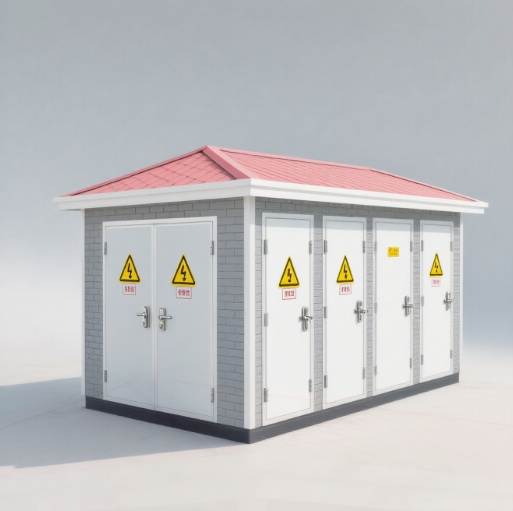
In modern power distribution systems, the box-type substation stands out as a key innovation, offering compactness, reliability, and adaptability. However, with its advanced engineering and increased complexity, secondary circuit faults are becoming increasingly relevant for maintenance teams and operators. Understanding the intricacies of the box-type substation secondary circuit is essential for technicians, engineers, and buyers seeking enhanced operational stability and easier troubleshooting.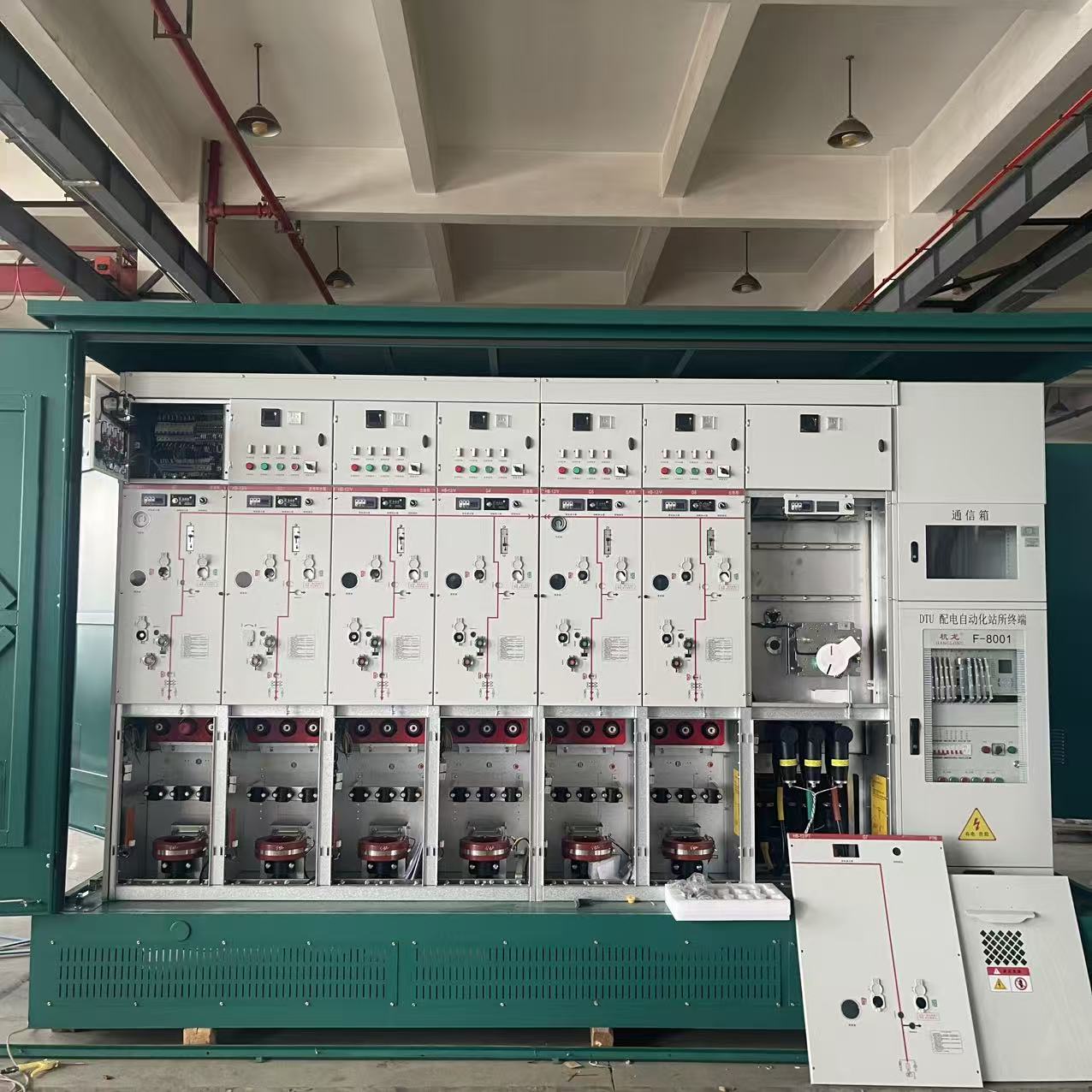
What Are Secondary Circuits in Box-Type Substations?
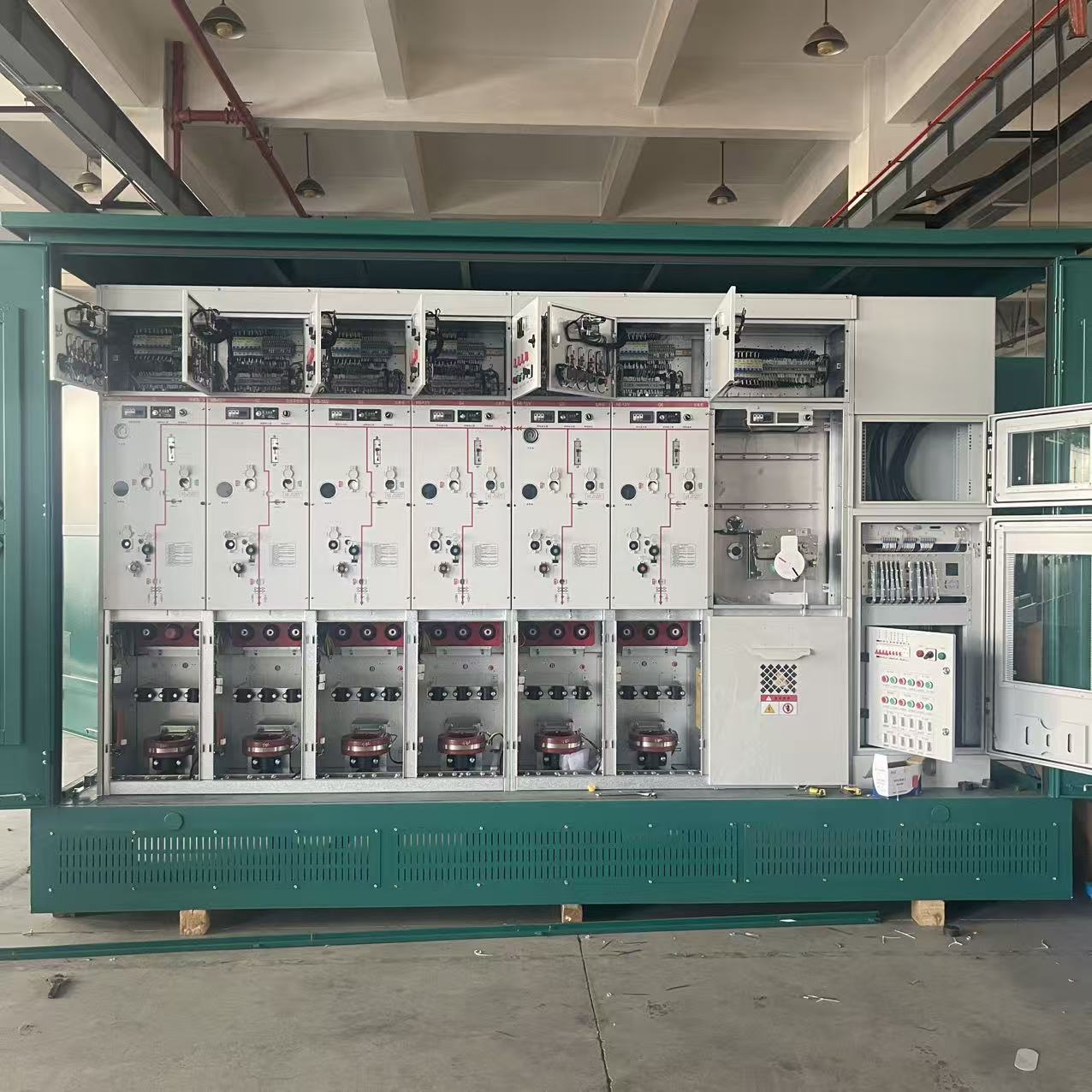
The secondary circuit refers to the intricate network of control, protection, measurement, and communication wiring in a box-type substation. While the primary circuit delivers high-voltage energy, the secondary circuit is responsible for monitoring and maintaining the safety, functionality, and communication within the substation. This includes relay protection, metering, remote signaling, and the operation of circuit breakers.
The rise of prefabricated substations, often termed as prefabricated substation secondary wiring, further accentuates the need for quality secondary circuits. Prefabricated substations are pre-assembled and require precise connections for seamless integration into power networks, making secondary circuit reliability a paramount concern.
Common Secondary Circuit Faults in Box-Type Substations
Faults in box-type substation secondary circuits can range from simple loose connections to more complex issues such as grounding faults, insulation failures, and DC power supply disruption. Identifying and categorizing these faults is the first step towards effective troubleshooting.
Blown Fuses and DC Power Supply Failure: Secondary circuits often rely on DC power sources for relay operation. A blown fuse or a malfunctioning DC power unit can cause system-wide relay failures, impeding protection and automation functions. This issue is common in compact substation secondary circuits where space constraints may impact ventilation and heat dissipation, affecting equipment longevity.
Grounding Faults: Secondary grounding faults are frequently encountered in box-type substations. Inadequate insulation, improper wiring, or moisture ingress can result in partial or full grounding of control circuits, leading to erroneous relay actions or the inability to operate devices remotely or locally. Grounding faults are particularly challenging in prefabricated substations due to the strict insulation requirements.
Relay Misoperation and Signal Wiring Issues: Incorrect secondary wiring or aging insulation can lead to relay misoperation or false signals. This is especially sensitive in substations with intricate protection schemes, where even minor wiring errors or insulation degradation can cause protection relays to trip unnecessarily or fail to operate during a fault.
Broken or Loose Connections: Due to vibration, thermal expansion, and material fatigue, terminal blocks and connectors may loosen over time. Loose connections can result in intermittent signals, failure of measurement systems, and unpredictable relay operation.
Measurement and Communication Failures: Modern box-type substations rely heavily on remote communication for SCADA integration. Any disruption in secondary wiring—such as broken conductors or failed interface modules—can isolate the substation from central control, increasing operational risk.
Methods for Locating Secondary Grounding Faults in Prefabricated Substations
Locating secondary grounding faults in a prefabricated substation secondary wiring system is critical for restoring full functionality and avoiding costly downtime. Specialized techniques and advanced tools can reduce time spent on troubleshooting and improve repair accuracy. Here are several effective methods:
Insulation Resistance Testing: This involves applying a known potential between the secondary circuit and ground, then measuring insulation resistance. Values below the threshold indicate a potential grounding fault. Modern insulation testers can pinpoint specific circuits with degraded insulation.
Ground Fault Tracer Utilization: Ground fault tracer instruments can inject a low-frequency signal into the circuit. The instrument then detects where the signal path diverts to ground, allowing technicians to isolate the fault location even in densely wired panels.
Stepwise Isolation and Continuity Testing: By sequentially disconnecting sections of the secondary circuit and conducting continuity checks, technicians can narrow down the zone of fault. This method is vital in prefabricated substations where wiring is bundled for space efficiency, making visual inspection difficult.
Thermal Imaging: Ground faults often result in localized heating due to leakage currents. Infrared thermal cameras are effective in scanning panels and identifying hotspots, which guide further fault isolation efforts.
Advanced methods and careful documentation are necessary for reliable fault detection in modern box-type substations. Maintaining up-to-date wiring diagrams and records is essential for quick and effective troubleshooting.
How to Solve DC Power Supply Failure in Compact Substation Secondary Circuits
DC power supply failure is one of the most serious issues affecting the secondary circuit of box-type substations. Its impact ranges from relay protection paralysis to loss of control signals. To resolve such failures, a systematic approach is needed:
Initial Assessment: Begin by verifying the status of fuse links and circuit breakers in the DC distribution panel. Most DC failures originate from overcurrent events or aged protective devices.
Voltage and Ripple Measurement: Use a multimeter to measure the output voltage and check for excessive ripple, which indicates failing filter capacitors in the DC supply unit. Ripple above acceptable limits can hinder relay coil operation and monitoring equipment.
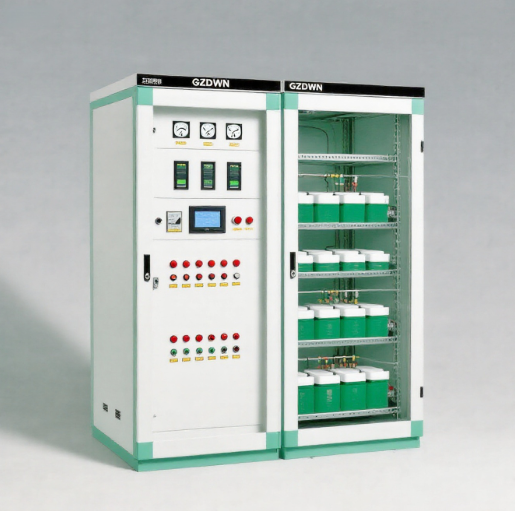
Battery and Charger Testing: If the substation uses battery banks, inspect the charger operation and battery health. Batteries past their service life or chargers set incorrectly can diminish DC supply quality.
Connection Check and Load Analysis: Carefully examine terminal blocks and connectors for corrosion, loose links, or burnt marks. Analyze DC circuit load to ensure it is within designed specifications, as overload can trip protective devices and reduce voltage.
Component Replacement: Replace failing batteries, chargers, or protective devices as detected. Always use components matching manufacturer specifications to preserve system compatibility.
Regular maintenance and monitoring using digital DC power analyzers can help prevent such issues and ensure the secondary circuit of the box-type substation remains reliable during normal operation and fault conditions.
Relay Misoperation due to Secondary Wiring Problems
Relay misoperation is a major concern in box-type substations, with consequences ranging from unnecessary outages to equipment damage. Secondary wiring issues—such as crossed wires, insulation breakdown, and electromagnetic interference—are common culprits behind relay misoperation.
Crossed or Incorrect Wiring: In prefabricated substations, wiring errors may occur during assembly or maintenance, leading to relay misoperation. These mistakes can redirect control signals or cause relays to misinterpret system status.
Insulation and Cable Aging: Over time, insulation materials degrade due to heat, moisture, and chemical exposure. Aging insulation can cause intermittent ground faults or cross-circuit leakages, disturbing relay logic and protection coordination.
Electromagnetic Interference: High-density wiring and proximity to power circuits can expose the secondary circuit to electromagnetic interference (EMI), which can trigger false relay actions. Shielded cables and proper grounding practices are essential to mitigate these risks.
Troubleshooting Techniques: Detailed relay logic analysis, signal simulation, and review of event logs are crucial in identifying the root cause of misoperation. Frequent relay testing and verification of wiring against updated diagrams can prevent recurrence.
Ensuring wiring integrity through regular inspections and employing industry-standard installation practices is key to preventing relay misoperation in box-type substations.
Preventive Measures and Best Practices for Secondary Circuit Reliability
While troubleshooting faults is vital, preventing secondary circuit issues is equally critical, especially for substation operators aiming for zero-defect operation. Preventive strategies not only safeguard equipment but also optimize operational expenditure.
Periodic Inspection and Testing: Schedule inspections at regular intervals to check the condition of secondary wiring, connectors, and insulation. Insulation resistance values should be measured periodically to detect degradation.
Quality Components and Installation: Use certified cables, connectors, and protective devices. During installation, pay attention to wire routing, cable management, and adherence to wiring diagrams to reduce error probability.
Documentation and Upgrades: Maintain updated circuit diagrams, records of modifications, and test logs. When substation upgrades occur, ensure all changes are reflected in the documentation and secondary wiring is verified for accuracy.
Environmental Controls: Box-type substations are often exposed to challenging environments. Control moisture, heat, and dust ingress by employing proper enclosure sealing, ventilation, and humidity regulation to preserve wiring quality.
Training and Awareness: Regular training for personnel regarding secondary circuit design, fault detection, and troubleshooting tools enhances responsiveness and reduces avoidable errors.
Adhering to these preventive measures and best practices substantially improves the reliability of secondary circuits, allowing substations to operate efficiently and safely.
Extended Topics: Modern Secondary Wiring Innovations and Digital Monitoring
The evolution of prefabricated substations has been accompanied by significant innovations in secondary circuit technology. Digital monitoring, modular wiring harnesses, and remote diagnostic systems are now commonplace in advanced substations.
Digital Monitoring: Integration of advanced sensors, real-time data acquisition modules, and online monitoring systems enables early detection of secondary circuit faults. Operators can remotely access circuit status, insulation levels, and relay operation history, reducing manual effort and response time.
Modular Wiring Solutions: Modern prefabricated substations utilize modular wiring harnesses with standardized connectors. This reduces installation time, improves reliability, and allows for quick replacement during maintenance. Modular wiring also simplifies verification and documentation processes.
Remote Diagnostic Tools: IoT-based diagnostic tools can continuously monitor secondary circuit parameters. When anomalies are detected, alerts are automatically sent to maintenance teams, enabling predictive maintenance and minimizing downtime.
These innovations make box-type substations more efficient and easier to operate, especially for multi-site operations. Investment in modern secondary wiring technologies can further reduce the risk of faults and enhance protection scheme performance.
FAQ: Insightful Answers for Buyers and Operators
What are the most frequent secondary circuit faults in box-type substations?
The most common faults include grounding faults, DC power supply failures, relay misoperation, loose connections, and communication disruptions. Each fault can significantly impact substation performance and should be approached with systematic troubleshooting.
How to locate secondary grounding fault in prefabricated substation?
Use insulation resistance testing, ground fault tracer instruments, or stepwise isolation and continuity testing. Accurate documentation, thermal imaging, and advanced diagnostic tools further improve fault detection and isolation.
Why does relay misoperation happen due to secondary wiring problems?
Relay misoperation is typically caused by crossed wires, insulation degradation, electromagnetic interference, or incorrect configuration. Regular inspection, relay logic analysis, and adherence to wiring diagrams can effectively prevent such issues.
Are there preventive solutions for secondary circuit faults?
Yes, preventive solutions include regular inspection and testing, use of quality wiring components, comprehensive documentation, environmental management, and continual skill development for operation and maintenance teams.
How can modern innovations improve secondary circuit reliability?
Digital monitoring, modular wiring, and remote diagnostic tools provide real-time status, early warning of faults, and streamlined maintenance. These technologies are increasingly adopted in advanced box-type substations for enhanced operational security.
Buyer Considerations and Integration Tips
For buyers and decision-makers selecting box-type substations or planning upgrades to secondary wiring systems, several factors must be considered to ensure optimal performance and ease of maintenance:
Supplier Reputation and Certification: Choose suppliers with established experience and certification in box-type substations and prefabricated secondary wiring. Quality manufacturing and after-sales support significantly impact long-term reliability.
Customization and Documentation: Ensure that substations are customized for site-specific requirements, and that comprehensive wiring diagrams and installation manuals are provided. Clear documentation streamlines troubleshooting and future upgrades.
Integration with Digital Systems: Consider prefabricated substations that support integration with digital monitoring platforms, SCADA systems, and IoT-based diagnostic solutions. This future-proofs investments and enhances operational oversight.
Maintenance Accessibility: Evaluate substation layout and wiring arrangements for accessibility during maintenance. Modular designs and clear marking of terminals can reduce downtime and error during repairs.
By keeping these considerations in mind, buyers and operators can ensure that their box-type substations deliver reliable and efficient performance throughout their operational life-cycle.
In summary, box-type substations represent a modern solution to power distribution challenges, but secondary circuit faults—including grounding failures, power supply issues, and relay misoperation—remain critical areas requiring attention. Effective troubleshooting, preventive maintenance, and adoption of digital innovations are essential for ensuring operational reliability and safety. Regular inspection, use of quality components, and maintaining accurate documentation equip operators and buyers with the tools they need to tackle common secondary circuit faults efficiently, maximizing uptime and performance in every application.