


Amorphous Alloy Dry-Type Transformers: Application Value in Diverse Distribution Scenarios for Dual Carbon Goals
Understanding Amorphous Alloy Dry-Type Transformers
With the increasing focus on sustainable development and energy efficiency, Amorphous Alloy Dry-Type Transformers have emerged as a pivotal technology in modern electrical power distribution. Unlike traditional silicon steel core transformers, these transformers feature cores made from amorphous metal, providing remarkable advantages in terms of low core loss and enhanced electrical performance. Their crucial role in realizing dual carbon goals—carbon peaking and carbon neutrality—underscores their importance for global energy transition efforts.
The structure of amorphous alloys makes them ideal for applications demanding maximum efficiency and reduced environmental impact. This structural innovation essentially transforms the way electrical energy is distributed, significantly lowering operational losses and supporting green energy policies. The SCBH15 Amorphous Alloy Dry-Type Transformer stands out in this category, gaining international recognition for its low-loss characteristics and adaptability to diverse distribution scenarios.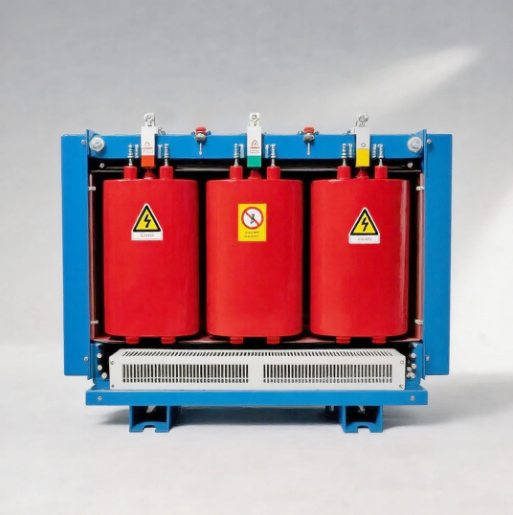
Low-Loss Dry-Type Transformer: The Energy-Saving Principle
One of the most influential attributes of amorphous alloy dry-type transformers is their energy-saving principle. The secret lies in their amorphous metal core, which exhibits much lower hysteresis loss than traditional materials. When electricity is transferred through the transformer, the amorphous ribbon core resists the creation of eddy currents, which translates directly to reduced heat generation and minimized energy wastage.
Compared to conventional silicon steel dry-type transformers, Low-loss Dry-Type Transformer solutions bring about a core loss reduction of up to 70%. This immense difference not only cuts down operational costs but also aligns with global sustainability standards, making these transformers an optimal choice for utilities, industrial facilities, and infrastructure projects seeking to diminish carbon footprints.
Additionally, with increased global awareness about carbon emissions, businesses and municipalities are increasingly opting for low-loss solutions. In many countries, government incentives for energy-saving infrastructure further highlight the economic and environmental benefits of choosing amorphous alloy transformers.
Parameters of SCBH15 Amorphous Alloy Dry-Type Transformer
A frequent query among buyers and engineers revolves around the technical specifications of the SCBH15 Amorphous Alloy Dry-Type Transformer. Understanding these parameters is fundamental to making informed decisions and selecting the right transformer for varying distribution cases.
Key parameters include rated voltage (typically around 10kV and 20kV), rated capacity (ranging from 30kVA up to 2500kVA), and cooling methods (natural air cooling or forced air cooling). The transformer is designed for superior overload capability and minimal temperature rise, which supports stable performance in demanding environments.
Its no-load loss and load loss figures are significantly lower than those of traditional silicon steel transformers. For instance, SCBH15 transformers exhibit no-load losses as low as 20-30% of comparable silicon steel units, ensuring long-term operational savings. Furthermore, these transformers feature advanced insulation systems, robust mechanical structure, and optimized winding arrangements to guarantee durability and safety under varied conditions.
Application Scenarios of SCBH15 Amorphous Alloy Dry-Type Transformer
The adaptability of amorphous alloy dry-type transformers makes them valuable in diverse power distribution scenarios. From urban power grids and commercial complexes to rural electrification and renewable energy projects, their low-loss design and resilience offer unparalleled benefits.
In urban settings, where energy efficiency is paramount, these transformers are deployed in high-rise buildings, shopping malls, hospitals, and universities—locations often requiring uninterrupted power supply and fire-safe equipment. Industrial plants with heavy electrical loads benefit from improved efficiency and reduced operational expenses, especially in continuous production lines.
Renewable energy sites, including solar and wind farms, increasingly rely on Amorphous Alloy Dry-Type Transformer technologies due to their capability to handle variable power flows and their contribution to reducing overall greenhouse gas emissions. These transformers are also pivotal in microgrid applications and data centers, where reliability and minimal maintenance are critical factors.
Another niche application is in energy storage systems, especially for battery storage facilities set up to complement renewable energy sources. Here, the transformer's low operational temperatures and oil-free design enable Safe and Reliable integration with advanced energy storage technologies.
Safety Performance and Environmental Benefits
Safety is one of the foremost concerns for potential buyers evaluating transformer technologies. Amorphous Alloy Dry-Type Transformers offer inherent safety advantages, making them highly suitable for installation in locations where human safety and environmental protection are non-negotiable.
Dry-type transformers, including those constructed from amorphous alloys, eliminate the use of oil, which significantly reduces the risk of leaks or catastrophic fires. Unlike oil-filled variants, they are less prone to toxic emissions or hazardous spills, supporting stricter environmental regulations and minimizing the need for containment infrastructure. The risk of ignition is nearly nullified, owing to their flame-retardant insulation and structural design.
The safety performance extends to their electromagnetic emissions, which are lower due to reduced losses and better shielding, thus safeguarding nearby equipment and personnel. Their robust mechanical design further supports earthquake resistance, making them a preferred choice in regions susceptible to seismic activity. All these benefits enhance the credibility of amorphous alloy dry-type transformers in critical infrastructure projects.
Transportation and Installation Considerations
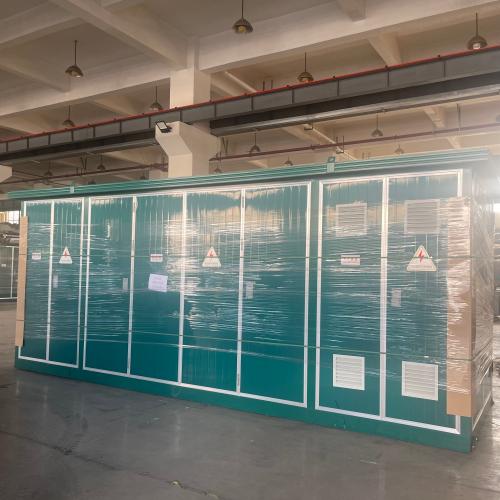
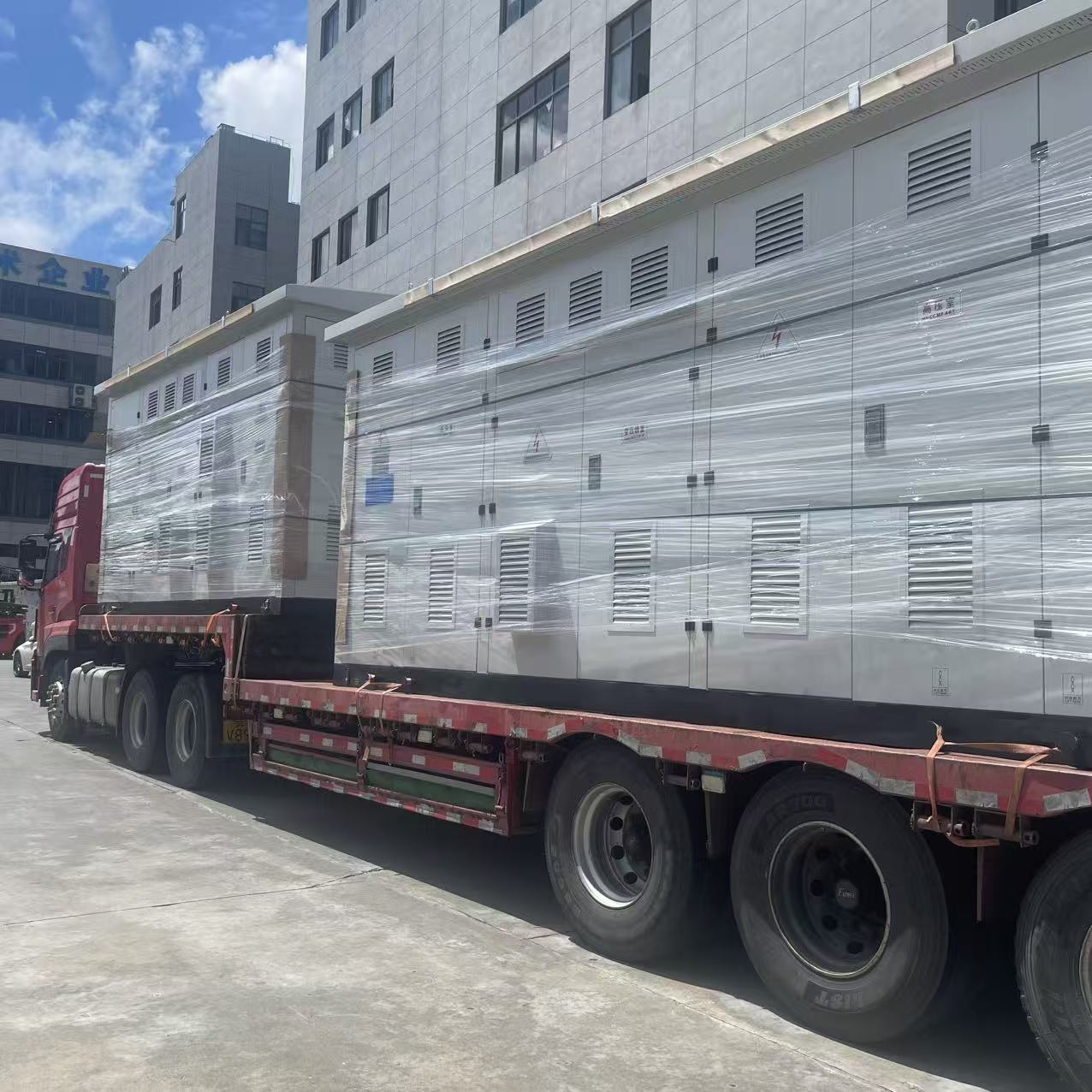
When it comes to transportation and installation, Amorphous Alloy Dry-Type Transformer units require certain specialized handling—though the process is largely straightforward compared to oil-immersed transformers. The amorphous alloy ribbon core is more fragile than conventional steel cores, mandating careful packing, shock protection, and upright positioning during transit.
For installation, dry-type transformers offer flexibility. They are usually lighter, have smaller footprints, and do not demand complex oil containment or ventilation systems. This allows them to be positioned within buildings, on rooftops, or underground substations, streamlining project timelines and costs.
It’s essential to consult manufacturers for recommended installation practices, especially concerning cooling arrangements, monitoring of ambient temperature, and securing vibration protection. These steps maximize the transformer's service life, ensuring optimal performance and safeguarding the core integrity.
Amorphous Alloy Dry-Type Transformers in Energy Storage Projects
Energy storage initiatives form a cornerstone of the dual carbon goals, and the adoption of Amorphous Alloy Dry-Type Transformer technology in such projects is highly recommended. As energy storage solutions, specifically battery energy storage systems (BESS), become widespread, the need for transformers with minimum loss and high efficiency is pressing.
The SCBH15 series, in particular, is favored in energy storage projects due to its low-noise operation, oil-free construction, and minimal heat output. With energy storage facilities frequently located in urban or residential settings, dry-type transformers allow for safer integration, even in proximity to people or sensitive electronic equipment.
Furthermore, the low maintenance requirements and reduced operational costs make amorphous alloy transformers attractive to project developers and operators aiming to maximize returns on investment. Their contribution to the reliability and safety of energy storage installations is instrumental in accelerating the worldwide transition toward renewable energy and climate targets.
Cost Efficiency and Economic Value
Economic evaluation is central when selecting transformer solutions. While the initial procurement cost of Amorphous Alloy Dry-Type Transformers may be slightly higher than conventional alternatives, their long-term savings on energy bills and reduced maintenance expenses compensate this upfront investment.
The decreased core losses translate into superior annual savings, particularly in scenarios with high utilization rates. Coupled with government incentives for green infrastructure and the increasing value of environmental compliance, these transformers offer measurable economic value over their operational lifetime.
For industrial and utility-scale applications, investing in low-loss dry-type transformers is often justified by short payback periods and tangible reductions in carbon emissions, strengthening both financial and ESG profiles for the organizations involved.
Enhanced Reliability and Maintenance Advantages
Reliability is a cornerstone in the performance of electrical distribution infrastructure. SCBH15 Amorphous Alloy Dry-Type Transformer solutions are acclaimed for their robust reliability, stemming from the absence of oil and the advanced design of their core and winding systems.
Routine maintenance requirements are minimal since there’s no risk of oil aging or leakage, and operational checks are straightforward—typically involving periodic inspections of cooling systems and insulation health. This reliability translates to higher lifetime utilization and less downtime, making them indispensable for critical applications such as hospitals, airports, and telecom facilities.
Manufacturers often provide advanced monitoring systems, enabling real-time status checks and predictive maintenance features. These digital solutions further increase efficiency, enabling asset managers to plan maintenance cycles and optimize resources seamlessly.
FAQs: Key Concerns about Amorphous Alloy Dry-Type Transformers
What is the safety performance of amorphous alloy dry-type transformers? Can they leak oil or catch fire?
Amorphous alloy dry-type transformers are inherently safe because they do not contain oil—eliminating any risk of leaks or fire. Their advanced flame-retardant insulation and robust design make them ideal for sensitive installations, ensuring outstanding reliability and safety compliance.
What special requirements are there for the transportation and installation of amorphous alloy dry-type transformers?
These transformers require careful transportation due to the delicate nature of the amorphous alloy ribbon core. Installation is simplified compared to oil-immersed models, as they don't need oil containment and often take up less space. Ensuring correct handling and positioning is essential to preserve performance and longevity.
Why are amorphous alloy dry-type transformers recommended for power distribution in energy storage projects?
Their low-loss design, oil-free structure, safety features, and reduced operational temperatures make them optimal for integration with battery storage and renewable energy projects. These characteristics help maximize energy efficiency, minimize maintenance, and elevate safety standards—especially where compact, reliable, and efficient power conversion is critical.
Future Trends: Towards Dual Carbon Goals
The role of Amorphous Alloy Dry-Type Transformers in supporting dual carbon goals extends far beyond their immediate application in power grids and energy storage. As policy frameworks evolve and zero-emission standards become global priorities, these transformers will continue to be at the forefront of technological innovation in electrical distribution.
Manufacturers are investing in improved amorphous materials, advanced cooling mechanisms, digital monitoring, and modular designs, further enhancing their appeal. With global urbanization rates rising and renewable energy capacities expanding, the demand for efficient, reliable, and safe transformers will only increase.
In parallel, research and development are driving down the cost of amorphous alloys, making these transformers increasingly accessible. Governments and international agencies are expected to intensify incentives, regulatory support, and public-private partnerships to accelerate their adoption. This collective momentum directly supports the realization of dual carbon goals, making amorphous alloy dry-type transformers a strategic asset for the next decade and beyond.
In conclusion, amorphous alloy dry-type transformers, and particularly the SCBH15 series, present unparalleled advantages in efficiency, safety, operational flexibility, and environmental compliance. Their low-loss technology directly addresses the challenges posed by dual carbon goals, offering practical solutions for diverse power distribution scenarios, including energy storage projects, urban infrastructure, and critical facilities. By intelligently integrating these transformers into expanding energy grids, decision-makers and stakeholders pave the way for more sustainable, reliable, and cost-effective power distribution, supporting both economic growth and environmental stewardship.