


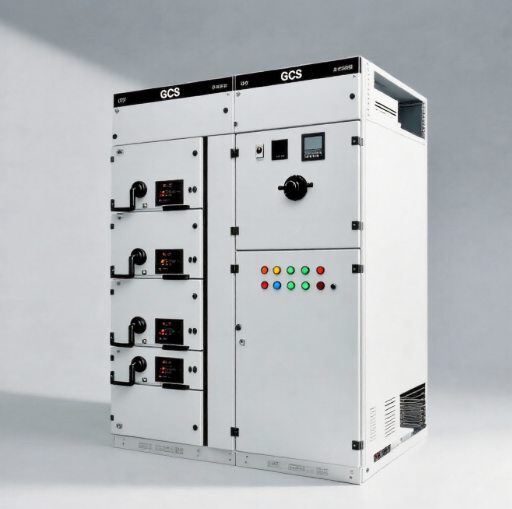
Advantages of Solid-Insulated Switchgear: 10kV Gas-Free, Maintenance-Free, the Preferred Solution for Distribution Network
In today’s rapidly evolving power distribution landscape, reliability, safety, and environmental sustainability are essential factors driving technological advancements. Among the numerous innovations, Solid‑Insulated Switchgear has emerged as the preferred solution for 10kV medium-voltage networks. Particularly, 10kV Solid‑Insulated Switchgear offers gas-free operation and maintenance-free longevity, making it ideally suited to meet modern demands. This article explores the unique advantages, technical attributes, applications, and real-world considerations of solid‑insulated switchgear, providing valuable insights for engineers, decision-makers, and buyers looking to optimize their power distribution networks.
What Is Solid-Insulated Switchgear?
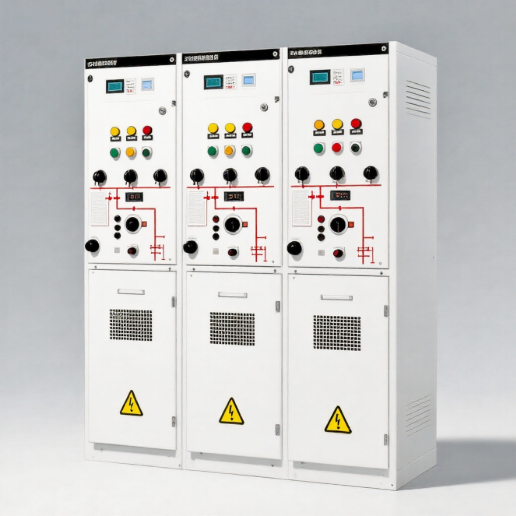
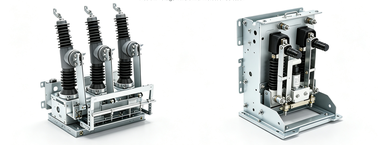
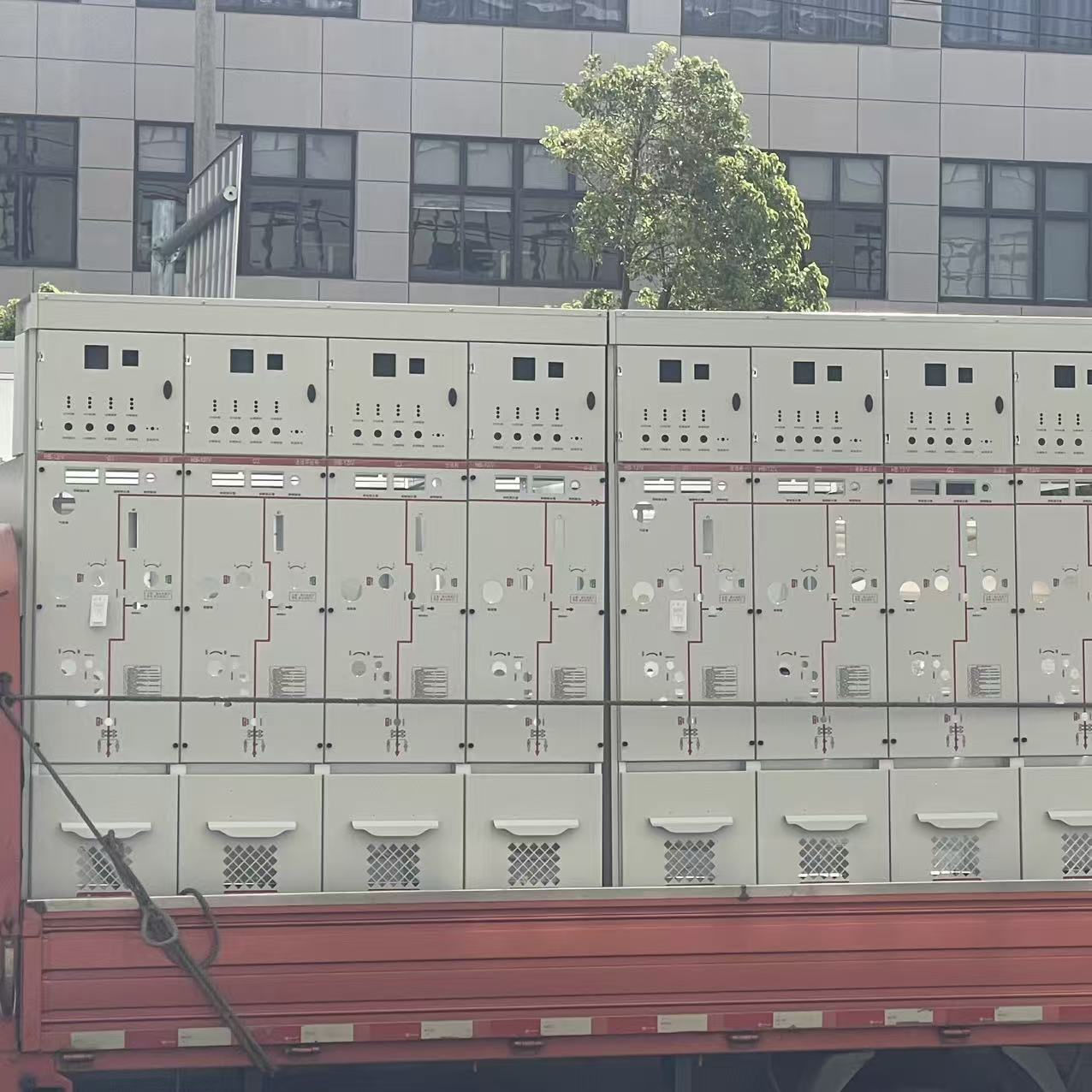
Solid‑Insulated Switchgear(SIS) is a type of medium-Voltage Switchgear where the primary insulation is achieved using solid materials such as epoxy resin, rather than relying on air or gas (SF6 or others) as the dielectric medium. The switchgear typically houses circuit breakers, disconnector switches, busbars, and related elements within a fully encapsulated, insulated enclosure. This design eliminates the need for gas-tight containers and regular pressure monitoring, setting the stage for effective gas-free switchgear suitable for diverse environments.
The difference between solid‑insulated switchgearand conventional Gas-insulated switchgear—most commonly SF6—is significant. SF6 switchgear is known for its excellent insulation properties but comes with environmental concerns (SF6 is a potent greenhouse gas) and maintenance requirements. Solid‑insulated switchgear meets or exceeds performance standards while addressing these drawbacks, making it a game-changer for distribution projects.
Key Advantages of Gas-Free Solid-Insulated Switchgear
One of the most notable benefits is its gas-free operation. For years, the industry relied heavily on SF6 gas-insulated switchgear (GIS) to achieve compact sizes, high insulation strength, and robust protection. However, regulatory pressure and sustainability goals have accelerated the search for alternatives. Here’s why gas-free solid-insulated switchgear stands out:
First, gas-free operation eliminates concerns about gas leakage and greenhouse gas emissions, ensuring compliance with environmental standards globally—particularly in regions mandating the reduction of SF6 emissions. Second, gas-free switchgear means simplified installation and operation, as there’s no need to monitor gas pressure, perform leak inspections, or handle replenishment schedules. This minimizes both operational cost and potential hazards.
Additionally, gas-free solid-insulated switchgear is inherently safer. Without volatile gases, there is reduced risk of explosion or dangerous chemical reactions in the event of internal faults. This is especially relevant for underground utility tunnels and densely populated urban substations, where safety and ease of maintenance are non-negotiable requirements.
Maintenance-Free Advantages: Reducing Operational Costs and Increasing Reliability
Maintenance cost is a major consideration for power distribution network operators. Conventional switchgear demands periodic inspections, cleaning, and replacement of gas, gaskets, and seals. With maintenance-free solid‑insulated switchgear, these requirements are virtually eliminated. The encapsulated design prevents the ingress of dust, moisture, and contaminant particles—a common source of failure in air-insulated and even gas-insulated units.
Because all primary components are housed in solid-insulated materials, operational reliability increases dramatically. There are no moving parts exposed to the atmosphere, no arc flashes escaping the insulation, and no corrosion caused by environmental moisture. Over its 30+ year service life, solid-insulated switchgear requires only routine visual inspections as opposed to intervention-heavy preventive maintenance schedules.
In high-demand environments, such as underground utility tunnels or new-energy substations, this maintenance-free design translates to significant cost savings, minimized downtime, and enhanced safety for personnel. The savings on labor, servicing, and equipment redundancy are often substantial, tipping the balance in favor of solid-insulated switchgear as a long-term investment.
The Eco-Friendly Solution: Sustainability and Regulatory Compliance
Global trends toward eco-friendliness and sustainable power distribution are undeniable. Traditional SF6 gas-insulated switchgear is facing mounting scrutiny due to its environmental impact—SF6 is roughly 23,000 times more potent as a greenhouse gas compared to CO2. Regulations in many countries require monitoring, reporting, and eventual phase-out of SF6, spurring demand for alternatives.
The eco-friendly 10 kV high‑voltage switchgear based on solid insulation satisfies all these requirements. It doesn’t emit hazardous gases, simplifies environmental audits, and avoids the complex logistics and compliance burdens associated with gas handling. For companies committed to reducing their carbon footprints or seeking green certifications, solid-insulated switchgear is the obvious answer.
By choosing eco-friendly solid-insulated switchgear, utilities and industries fulfill both their operational needs and their corporate social responsibilities. The switchgear also supports integration with other clean technologies, such as renewables and advanced grid automation systems, further enhancing sustainability profiles.
Special-Purpose Applications: Utility Tunnels, Underground Networks, and New-Energy Grid Connection
Modern cities—and their infrastructure planners—are increasingly focused on resilience and safety. Utility tunnels and underground substations pose unique challenges: space constraints, difficult access, high humidity, and the need for rapid response in emergencies. Maintenance-free, gas-free solid‑insulated switchgear is optimized for these environments.
Its compact, modular construction allows for installation in tight corridors, minimizing the spatial footprint and facilitating maintenance or replacement without system-wide shutdowns. The lack of gas or air means the units are inherently safer in enclosed spaces, and the solid insulation eliminates the possibility of chemical reactions with ambient moisture or contaminants.
Another critical application is the connection of new energy sources—solar, wind, or storage systems—into the grid. Selection criteria of special-purpose solid‑insulated switchgear for new‑energy grid connection revolve around compatibility with inverter-based resources, robust protection for fluctuating loads, and adaptability to decentralized, intelligent grid operations. Solid-insulated switchgear is fully equipped for these challenges, offering digital monitoring and protection schemes that complement modern grid requirements.
Comparing Solid-Insulated and SF6 Gas-Insulated Switchgear: Which Is More Suitable?
Choosing between solid‑insulated switchgear and SF6 gas-insulated switchgear depends on several factors—but in 10 kV and higher voltage ranges, the balance is clearly shifting in favor of solid insulation. SF6 still offers extreme compactness for high-voltage installations (above 110 kV), but for 10 kV distribution networks, the advantages outlined above are more compelling.
SF6 switchgear requires a complex maintenance regime, monitoring, and certified handlers. It also faces growing regulatory restrictions. In contrast, solid-insulated switchgear is maintenance-free, eco-friendly, and safer for indoor, underground, and urban environments. The technology is mature, with robust testing and reliability records, making it suitable for extensive deployment in new projects and retrofits alike.
In summary, for medium-voltage power distribution projects—especially those prioritizing reliability, sustainability, and low maintenance—solid-insulated switchgear represents the next-generation solution.
Technical Features and Innovations in 10kV Solid-Insulated Switchgear
The evolution of 10kV solid-insulated switchgear is marked by several technical breakthroughs. Epoxy-resin insulation ensures high dielectrical strength, with reliability in extreme temperatures and humidity. Modern switchgear includes integrated digital sensors for real-time monitoring of voltages, currents, and switch status—providing actionable intelligence for predictive maintenance and system optimization.
The modularity of solid-insulated switchgear allows for scalable solutions. Individual cabinets can be linked, rearranged, or replaced without affecting the overall system. Arc-proof designs protect operators and equipment, meeting stringent international safety certifications (such as IEC 62271). Intelligent automation features support remote operation, fault detection, and integration into advanced distribution management systems (ADMS), making the switchgear ideally suited for smart grid deployments.
Another innovation is the use of plug-in connectors, which simplify installation and enable rapid changes to grid topology. This flexibility supports dynamic, decentralized energy networks, essential for ongoing expansions or transitions to renewable resources.
Selection Criteria for New Projects: What Buyers Should Consider
Choosing the right switchgear is critical for long-term operational stability and cost efficiency. Buyers interested in maintenance-free solid‑insulated switchgear for power distribution conditions of underground utility tunnels or other specialized environments should prioritize several key aspects:
- Environmental Conditions: Solid-insulated switchgear performs best in humid, dusty, or corrosive environments.
- Space and Accessibility: Compact size and modular design allow for installation in restricted spaces with minimal intervention.
- Safety: Arc-proof construction, digital status indicators, and gas-free operation maximize safety for operators and visitors.
- Service Life: Proven endurance of over 30 years with minimal maintenance.
- Integration: Compatibility with advanced monitoring and automation ensures future-proof investments.
- Cost: While initial investment may be higher, total lifecycle costs are dramatically reduced.
Buyers should consult with trusted manufacturers to evaluate specific configurations, control schemes, and digital upgrade paths. Custom solutions are readily available for sectors like urban substations, industrial parks, renewable energy integration, and retrofit projects.
Frequently Asked Questions (FAQ)
Which one is more suitable for power distribution projects: solid‑insulated switchgear or SF6 gas‑insulated switchgear?
For most 10 kV distribution networks, solid‑insulated switchgear is more suitable due to its eco-friendly, maintenance-free characteristics and enhanced safety profiles. SF6 gas-insulated switchgear is typically reserved for higher voltage applications where extreme compactness is paramount and regulatory conditions permit.
What is the service life of 10 kV solid‑insulated switchgear? Does it require regular maintenance?
Date from industry studies and manufacturers shows that 10 kV solid-insulated switchgear typically offers a service life exceeding 30 years. Its maintenance-free nature means only routine visual inspections are needed, with no intervention required for gas checks, pressure monitoring, or frequent parts replacement.
Can eco‑friendly solid‑insulated switchgear be applied in new‑energy grid‑connection projects?
Absolutely. Modern eco‑friendly solid‑insulated switchgear is designed for compatibility with renewable energy sources and inverter-based connections. Its digital protection and monitoring features make it ideal for new-energy integrations, ensuring robust and reliable operation in smart grid environments.
In conclusion, solid‑insulated switchgear is rapidly transforming power distribution networks for the 10 kV voltage class and beyond. Its gas-free, maintenance-free design not only meets but often exceeds industry standards for safety, reliability, and environmental performance. As urban infrastructure expands and renewable resources connect to grids, the benefits of solid‑insulated switchgear are undeniable—offering superior protection, lower operating costs, and a future-proof platform for intelligent power distribution. By thoroughly evaluating application needs and selecting high-quality manufacturers, engineers and decision-makers can unlock the full advantages of this innovative solution, ensuring stable, sustainable, and cost-effective energy flow for decades to come.